What Is the 3% Rule for Sleep Apnea? A Plain-English Guide to Your Sleep Score
Your sleep test results come back and the numbers mean nothing to you. The report mentions something about a 3% rule, your doctor talks about AHI scores, and you leave more confused than when you arrived.
That confusion is fixable. The 3% rule directly changes how severe your sleep apnea looks on paper. It can shift someone from a mild diagnosis to a moderate one, or let a real problem slide under the radar. heart disease
What Is the 3% Rule for Sleep Apnea?
The 3% rule is a scoring threshold used during sleep studies. It determines whether a partial breathing event gets counted as a hypopnea (reduced airflow) and included in your final apnea-hypopnea index score. HomeopathyPlus
During a sleep study called polysomnography, technicians monitor your breathing all night. When your airflow drops but doesn't stop completely, that's a hypopnea. To count that event, there has to be a measurable drop in blood oxygen.
Here's the key difference. Under the 3% rule, your oxygen level must fall by at least 3% for the event to be counted. The older 4% rule required a 4% drop. That one percentage point difference catches far more breathing disruptions. When you use the 3% threshold, your AHI score goes up because more events get recorded.
The American Academy of Sleep Medicine shifted toward the 3% rule because it captures breathing problems that genuinely disturb sleep, even when oxygen drops are small. Some people who tested as mild under the old system now test as moderate under the new one.
Why Does Your AHI Score Actually Matter?
Your apnea-hypopnea index is the number of breathing disruptions you have per hour of sleep. Under 5 is normal. Five to 14 is mild. Fifteen to 29 is moderate. Thirty or above is severe.
What most articles skip is this: the AHI score isn't the whole picture. I've seen clients with an AHI of 8 who were exhausted, foggy, and struggling at work every day. I've also seen people with an AHI of 20 who felt fine and only came in because a partner noticed snoring. The score matters, but so does how you feel.
One of my clients came to me after her second sleep study showed her AHI had jumped from 11 to 19. Nothing had changed in her symptoms. What had changed was the scoring rule. Her clinic had moved from the 4% to the 3% threshold. Her breathing hadn't gotten worse. The measurement had gotten more sensitive.
What Is the Worst Sleep Apnea Score?
There's no single ceiling on the AHI scale. Scores above 30 are all grouped as severe, but real-world scores can go much higher. Some patients present with an AHI above 100, meaning more than 100 breathing disruptions every hour of sleep.
At that level, the body never gets a full sleep cycle. Oxygen drops repeatedly through the night. The heart works harder. The brain stays in a low-level stress state for hours.
Over time, that pattern connects to high blood pressure, heart disease, type 2 diabetes, and cognitive decline. untreated sleep apnea isn't just loud snoring. It's a significant physiological stressor that affects almost every system in the body.
What Level of Sleep Apnea Requires a CPAP?
CPAP therapy is typically recommended when your AHI hits 15 or above (moderate sleep apnea). It's also recommended below that threshold if you have cardiovascular disease, daytime sleepiness, or other risk factors, even with a mild score.
CPAP works by delivering continuous air pressure through a mask to keep your airway open while you sleep. For many people it's effective. For others it's uncomfortable enough that they stop using it.
What I find interesting is how rarely patients are told that treatment isn't one-size-fits-all. Mild to moderate sleep apnea has several management options. Weight loss, positional therapy, oral appliances, and addressing underlying airway inflammation all have evidence behind them. CPAP tends to be the first and sometimes only conversation.
What Is the Worst Position to Sleep in for Sleep Apnea?
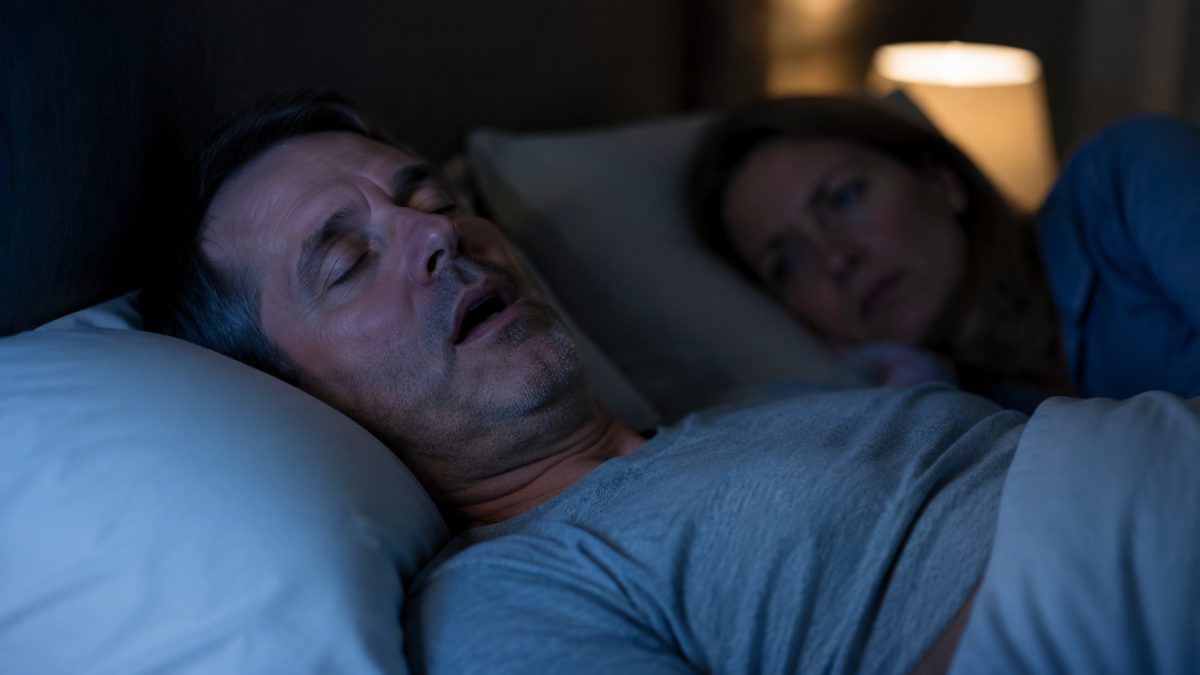
Sleeping on your back is the worst position for sleep apnea. When you lie flat on your back, gravity pulls the tongue and soft palate toward the back of the throat. That narrows the airway and makes it far easier for tissue to collapse.
Research consistently shows that AHI scores are higher in the supine position compared to side sleeping. Some people have positional sleep apnea, where nearly all their breathing events happen when they're on their back. For those people, learning to sleep on their side can make a real difference without any device or medication.
What Is the Japanese Trick for Sleep Apnea?
This comes up often in searches, and it's worth being honest about what it actually refers to. There's no single official Japanese sleep apnea protocol. What people usually mean is a combination of approaches from Japanese sleep medicine research, particularly around nasal breathing, low-carbohydrate eating, and body weight management.
Japanese sleep research has focused significantly on the connection between metabolic health and sleep-disordered breathing. The idea is that reducing visceral fat, improving nasal airflow, and eating in ways that reduce airway inflammation can meaningfully lower AHI scores.
Some of this overlaps with the Buteyko method, which emphasizes nasal breathing and reducing breathing volume. Mouth breathing during sleep worsens apnea. Taping the mouth shut at night encourages nasal breathing and has helped some of my clients reduce snoring and daytime fatigue noticeably.
One client had tried CPAP for two years and hated it. She started nasal breathing exercises during the day, used mouth tape at night, and cut out late-night eating. Her follow-up study showed her AHI had dropped from 22 to 11.
The Thing Most Articles Get Wrong About Sleep Apnea Severity
Most content treats sleep apnea as a purely mechanical problem. Airway collapses, air stops, oxygen drops. Fix the airway, fix the problem. That misses something important.
Sleep apnea is connected to the nervous system and to inflammation. People with chronically elevated cortisol from stress have higher rates of sleep-disordered breathing. Upper airway muscles are partly governed by neurological tone. When the nervous system is dysregulated, those muscles lose tone at night and the airway becomes more vulnerable.
This is why some people see their apnea worsen significantly during high-stress periods even with no change in weight or anatomy. The body isn't just a plumbing system. The state of your nervous system matters to how you breathe at night.
How Natural and Complementary Approaches Fit In
Conventional medicine draws a clear line: above a certain AHI, use CPAP. Below it, lose weight and come back in a year. What falls through that gap is everything in between, and everyone who can't tolerate a CPAP mask but still has a real problem.
Homeopathy and other complementary approaches aren't a replacement for a sleep study or for CPAP when it's genuinely needed. What they can do is support the body systems that contribute to sleep-disordered breathing. That includes the inflammatory state of the upper airway, nervous system regulation, and the quality of sleep itself.
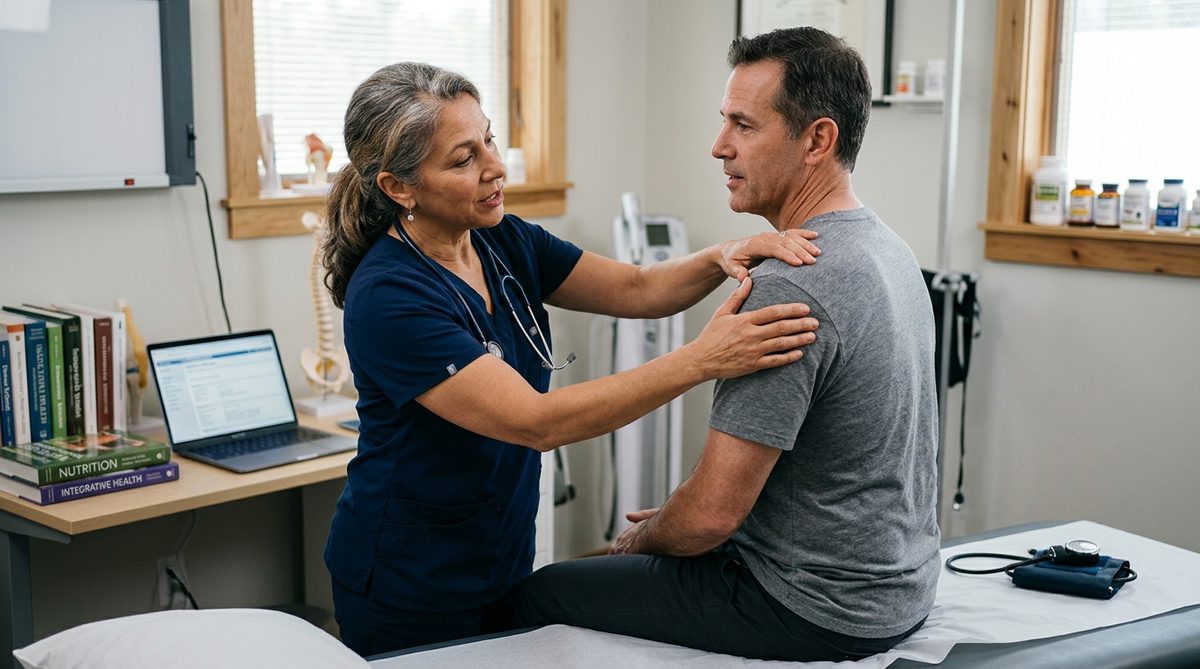
When clients come to me after being told their AHI is borderline or mild and no treatment is offered, we look at the whole picture. Sleep posture, breathing patterns during the day, stress load, diet, nasal congestion, and the overall health of the airway. That approach often produces changes that show up in follow-up studies.
Frequently Asked Questions
Does the 3% rule make sleep apnea seem worse than it is?
It makes measurement more sensitive, not more alarming. If events are happening, counting them gives you a more accurate picture of what your body is doing at night. A higher score under the 3% rule reflects real physiological disruptions, even if small ones.
Can I request which scoring rule my sleep study uses?
Yes. Ask your sleep physician which hypopnea scoring criteria they apply. If you're comparing results from two different studies, ask whether the same rule was used both times. This matters for tracking changes over time.
Is mild sleep apnea worth treating?
It depends on your symptoms. An AHI of 8 with severe daytime fatigue, poor concentration, and mood changes is worth treating aggressively. An AHI of 8 with no symptoms may just need monitoring. The number alone doesn't make the decision.
Can children have sleep apnea?
Yes, and it's underdiagnosed. In children, the AHI threshold for concern is lower. An AHI above 1 is considered abnormal in children because their baseline breathing rate and sleep architecture differ from adults. Enlarged tonsils and adenoids are common contributors.
Does losing weight always improve sleep apnea?
Weight loss helps most people with obstructive sleep apnea, especially when excess weight is around the neck and trunk. But it's not a guarantee. Some people with a healthy weight have significant apnea due to anatomy or airway inflammation.
What to Do Now
If you've had a sleep study, go back and ask specifically what scoring threshold was used and whether your results would change under a different rule. If your symptoms don't match your score, say so clearly to your doctor. Scores are tools, not verdicts.
If you haven't had a sleep study but you snore, wake unrefreshed, feel foggy during the day, or a partner has watched you stop breathing at night, get the study done. Knowing your actual AHI is the starting point for everything else.
Once you have that number, look at the full picture. Sleep position, nasal breathing, stress load, inflammation, and body weight are all workable. Start with the ones that cost nothing, like side sleeping and nasal breathing practice, and build from there.
If you want support that goes beyond the CPAP-or-wait approach, a practitioner who looks at the whole body can help you find the levers that move your specific situation. That's exactly the kind of work we do at HomeopathyPlus.
Continue with the Sleep article archive collection.

What Are 10 Signs That My Body Is Healthy?
Read article →
How to Tell if Your Body Is Unhealthy?
Read article →
What Are Signs of Poor Function Health?
Read article →
What Are Some Weird Signs That My Body Is Healthy?
Read article →
What Are Five Signs That I Might Not Be Healthy?
Read article →