What Is the Best Cure for Sleep Apnea? Treatments That Actually Work
The best cure for sleep apnea depends on severity, but CPAP is the most proven treatment for moderate-to-severe cases. If you carry extra weight, the new weight-loss drug tirzepatide can cut breathing events by 30 to 50% and is the first FDA-approved medication for sleep apnea.
For mild-to-moderate cases, targeted mouth exercises and regular aerobic exercise both reduce symptoms with no side effects. Most people get the best results combining more than one approach.
Why Is There No Single Cure for Everyone?
Sleep apnea happens when your throat muscles relax too much during sleep and block your airway. Your brain notices the drop in oxygen, jolts you awake just enough to breathe again, and the cycle repeats. Sometimes dozens of times per hour, all night. apnea-hypopnea index
That mechanical problem can come from several places: excess fat around the neck, weak throat muscles, jaw structure, alcohol use, or sleeping on your back. Because the causes vary, no single fix works for every person.
What does work is matching the treatment to your specific situation. The good news? You have more real options now than you did five years ago.
What Are the Most Effective Treatments for Sleep Apnea?
CPAP: Still the Gold Standard
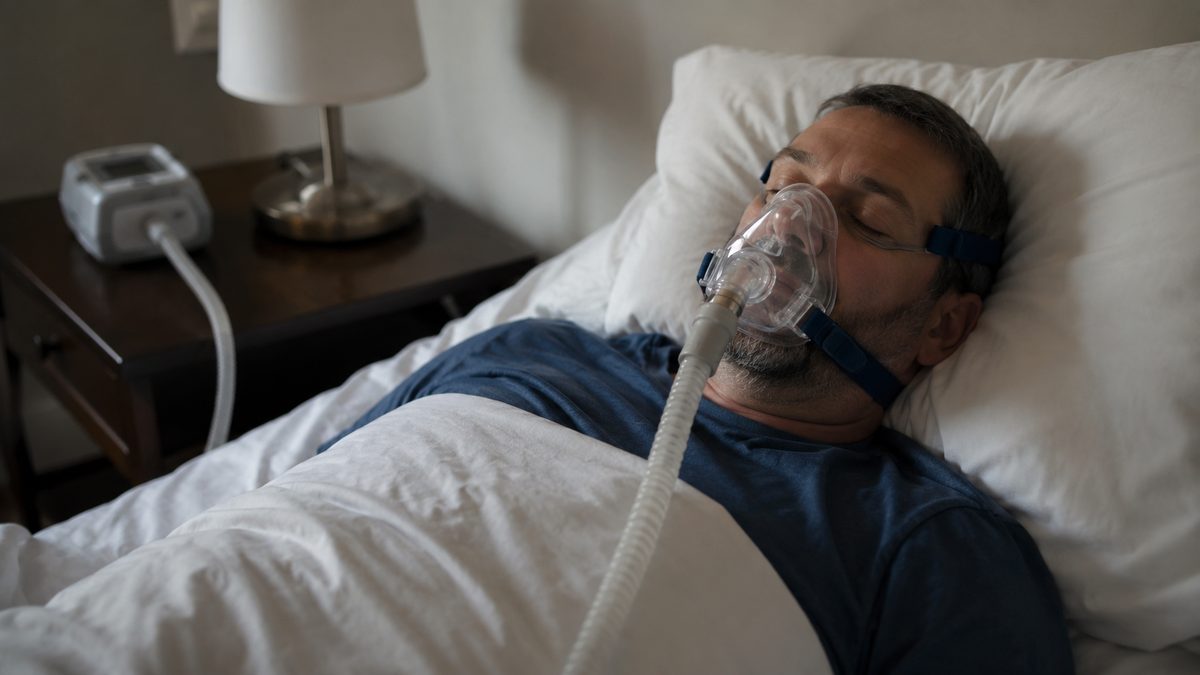
Continuous positive airway pressure (CPAP) delivers a steady stream of air through a mask while you sleep, physically keeping your airway open. It's the most studied treatment available, and the evidence is strong. A 2025 meta-analysis found PAP therapy is linked to reduced all-cause and cardiovascular mortality in people with obstructive sleep apnea.
The catch is adherence. One of my clients tried CPAP for three months and described waking up at 2am every night ripping the mask off her face. She wasn't unusual. Discomfort, dry mouth, and claustrophobia are common reasons people quit. When you use it, it works. When it sits on your nightstand, it does nothing.
If CPAP is your starting point, ask your sleep clinic about auto-adjusting CPAP (APAP). It responds to your breathing patterns rather than blowing at one fixed pressure all night. Many people tolerate it better. Consulting with sleep apnea specialists can help identify the right device configuration for your needs.
Tirzepatide: The New Pill (That Is Actually an Injection) for Sleep Apnea
In 2024, tirzepatide became the first drug FDA-approved specifically for obstructive sleep apnea. It works as a dual GLP-1/GIP receptor agonist, which means it targets two hormones involved in appetite and metabolism. People lose weight, and that weight loss directly reduces the fat deposits that compress the airway during sleep.
The SURMOUNT-OSA trial tested tirzepatide in 469 adults with moderate-to-severe sleep apnea and obesity over 52 weeks. A 2025 systematic review identified tirzepatide as producing the largest reductions in apnea-hypopnea index (AHI, the count of breathing interruptions per hour) of any drug tested. Other GLP-1 receptor agonists like semaglutide show similar patterns.
This is a genuine shift. For years, the answer to weight-related sleep apnea was essentially "lose weight" with very little practical help attached. Now there's a pharmacological tool that makes that possible for people who have struggled with conventional diet and exercise approaches.
Tirzepatide is an injection, not a pill, and it comes with its own side effects including nausea and gastrointestinal discomfort. It's not suitable for everyone. But for people with obesity-driven sleep apnea who can't tolerate CPAP, this changes the conversation significantly.
Mouth and Throat Exercises (Myofunctional Therapy)
This is one of the most underused treatments in sleep apnea. Most articles skip it entirely.
Myofunctional therapy involves exercises targeting the tongue, soft palate, and muscles at the back of the throat. The goal is to strengthen those muscles so they don't collapse as easily during sleep. A 2015 meta-analysis of nine studies found these exercises reduced AHI from 24.5 events per hour down to 12.3, a mean reduction of 14.26 events per hour. Oxygen levels improved. Snoring dropped. Daytime sleepiness scores improved.
A 2020 Cochrane review confirmed the findings, though most of the strong evidence is in mild-to-moderate cases.
I remember one of my clients who had mild sleep apnea and refused to use CPAP. He committed to ten minutes of tongue and throat exercises every morning for eight weeks. His follow-up sleep study showed his AHI had dropped by nearly half. He was shocked. So was his partner, who said the snoring had almost disappeared.
The exercises are free. They take less than fifteen minutes a day. For mild-to-moderate cases, this should be one of the first things you try.
Exercise Training
A 2024 meta-analysis of 12 randomized controlled trials with 526 participants found aerobic and resistance exercise reduced AHI by 7.08 events per hour on average. That's a clinically meaningful improvement. Some subgroups showed benefits even when body weight didn't change, which suggests exercise does something beyond just burning calories.
What we think happens is that exercise improves upper airway muscle tone, reduces fluid retention around the neck area, and improves sleep architecture overall. The target that showed up consistently in research is 150 minutes or more of moderate aerobic exercise per week.
When I tried adding a 30-minute walk five days a week alongside other sleep hygiene changes, the quality of sleep I felt was noticeably different within about three weeks. That's just my own experience, but it lines up with what the data shows.
Positional Therapy and Lifestyle Changes
Sleeping on your back makes sleep apnea worse for most people. The tongue and soft tissue fall backward with gravity and partially block the airway. Positional therapy means training yourself to sleep on your side. Simple tools like a wedge pillow or even a tennis ball sewn into the back of a shirt have real evidence behind them for positional sleep apnea.
Alcohol is also worth naming directly. It relaxes throat muscles more than normal, which is why sleep apnea is often worse after drinking. Cut alcohol within three hours of bedtime. That's a small change with a disproportionate effect on breathing quality during sleep.
Does Sleep Apnea Shorten Your Life?
Yes, untreated sleep apnea does affect life expectancy, primarily through cardiovascular risk. Repeated drops in blood oxygen during sleep stress the heart and blood vessels. Over years, this raises the risk of high blood pressure, heart attack, stroke, and type 2 diabetes.
The 2025 meta-analysis in The Lancet Respiratory Medicine found PAP therapy is associated with reduced all-cause and cardiovascular mortality. The effect varies depending on how consistently someone uses treatment and how severe their apnea is. The bottom line is that treatment matters, and the earlier you start, the better the odds.
Untreated moderate-to-severe sleep apnea isn't just a snoring problem. It's a chronic condition that puts quiet, compounding pressure on your cardiovascular system every night.
What Do Japanese People Use to Reduce Sleep Apnea?
Japanese research and clinical practice have contributed meaningfully to myofunctional therapy and positional approaches. Japan also has a strong tradition of weight management through diet and structured movement, which directly addresses obesity-related sleep apnea. Some Japanese research has explored the role of tongue posture training and specific breathing exercises derived from traditional practices.
The underlying principle is consistent with what the Western evidence shows: strengthening upper airway muscles and reducing excess weight are the two most effective lifestyle-based interventions. The delivery method varies culturally, but the mechanism is the same.
What Most Articles Get Wrong About Sleep Apnea Treatment
Three things come up repeatedly that most sources either miss or handle poorly.
First, CPAP is treated as the only real option and everything else as marginal. That framing is outdated. Myofunctional therapy, exercise, and now tirzepatide all have strong enough evidence to be primary recommendations for specific patient profiles, not just add-ons for people who can't tolerate CPAP.
Second, sleep apnea is almost always discussed in isolation from weight. For the majority of people with moderate-to-severe obstructive sleep apnea, excess weight is the primary driver. Treating the apnea without addressing weight is managing a symptom rather than fixing a cause. This is based on what I've seen with clients who struggled with CPAP for years, finally lost significant weight, and found their sleep apnea resolve or reduce to mild levels.
Third, the combination approach is barely discussed. The strongest outcomes in practice come from using CPAP to control symptoms while pursuing weight loss and exercise to address root causes. These aren't competing options. They work better together.
Frequently Asked Questions
Can sleep apnea be cured permanently?
For some people, yes. If the cause is weight-related and you lose enough weight, sleep apnea can resolve completely. Jaw surgery and certain other structural interventions can produce permanent results in the right candidates. For most people, it's managed rather than cured, but well-managed sleep apnea carries minimal health risk.
Is surgery an option for sleep apnea?
Several surgical options exist, including uvulopalatopharyngoplasty (UPPP), jaw advancement surgery, and hypoglossal nerve stimulation (an implant that keeps the tongue forward during sleep). Surgery tends to be reserved for people who can't tolerate CPAP and have not responded to other approaches. Hypoglossal nerve stimulation has strong evidence for moderate-to-severe cases and is worth asking your sleep specialist about.
How do I know if my sleep apnea is mild, moderate, or severe?
A sleep study (polysomnography) measures your apnea-hypopnea index. Mild is 5 to 14 events per hour. Moderate is 15 to 29. Severe is 30 or more. Home sleep tests are now widely available and significantly cheaper than in-lab studies for straightforward cases.
Can a mouth guard help sleep apnea?
Mandibular advancement devices (MADs) are custom dental appliances that push the lower jaw slightly forward, widening the airway. They're most effective for mild-to-moderate sleep apnea and are a real alternative to CPAP for people who find the mask intolerable. They need to be fitted by a dentist trained in sleep medicine.
Does sleeping position really matter?
For positional sleep apnea, where breathing events happen mostly on your back, it matters a great deal. Some people's AHI halves simply by sleeping on their side. A sleep study can tell you whether your apnea is positional.
What is the atomoxetine-oxybutynin combination?
This is a combination of two existing drugs, a noradrenergic agent and an antimuscarinic, that together tone the upper airway muscles during sleep. A 2023 meta-analysis of 8 randomized controlled trials found it reduced AHI by about 9 events per hour and improved lowest oxygen saturation by 5.6%. The benefit was greater in male patients. It's not yet widely prescribed but represents an active area of pharmacological research.
What Should You Actually Do?
Get a sleep study first. You can't treat what you haven't measured, and the right treatment depends entirely on your AHI and whether weight is a contributing factor.
If your apnea is mild to moderate, start with myofunctional exercises daily, add 150 minutes of aerobic exercise per week, and adjust your sleep position. These have real evidence and cost almost nothing.
If your apnea is moderate to severe, CPAP is the fastest way to stop the damage while you work on longer-term changes. If you're overweight, speak to your doctor about tirzepatide or another GLP-1 based therapy. Weight loss is the most durable fix for obesity-related apnea.
If CPAP is genuinely intolerable, ask about a mandibular advancement device or hypoglossal nerve stimulation. Don't just stop treating it.
The one action that matters most: book the sleep study if you haven't already. Everything else follows from knowing where you actually stand.
Sources
Continue with the Sleep article archive collection.

What Are 10 Signs That My Body Is Healthy?
Read article →
How to Tell if Your Body Is Unhealthy?
Read article →
What Are Signs of Poor Function Health?
Read article →
What Are Some Weird Signs That My Body Is Healthy?
Read article →
What Are Five Signs That I Might Not Be Healthy?
Read article →