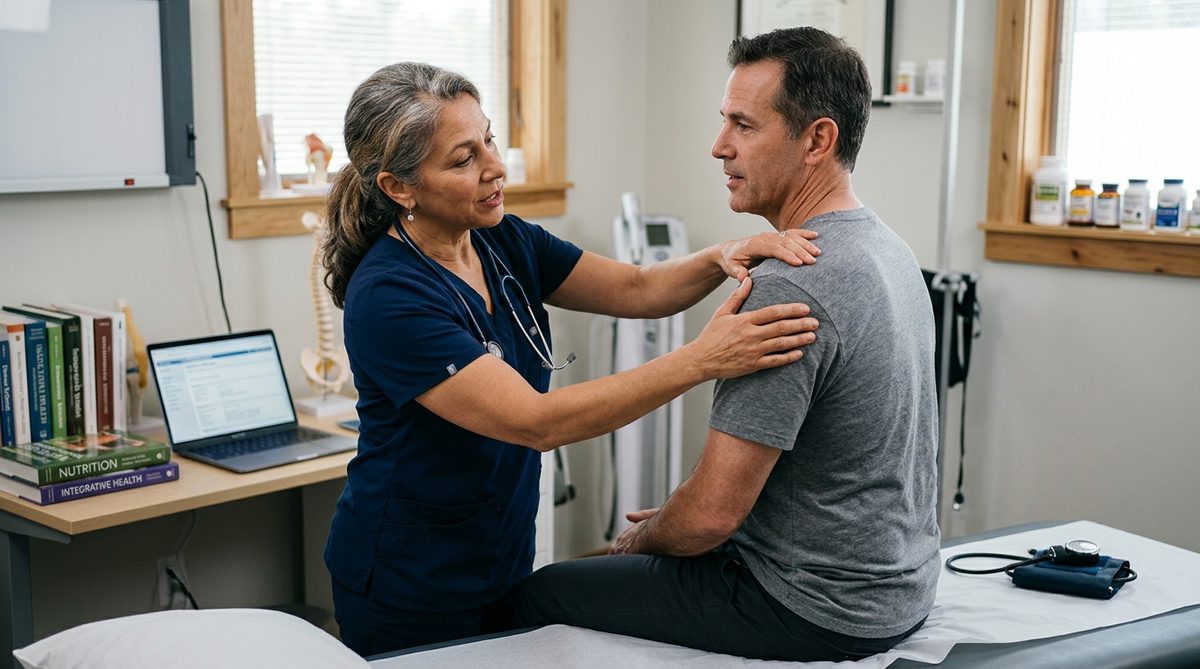
What Is the First Stage of Sleep Apnea?
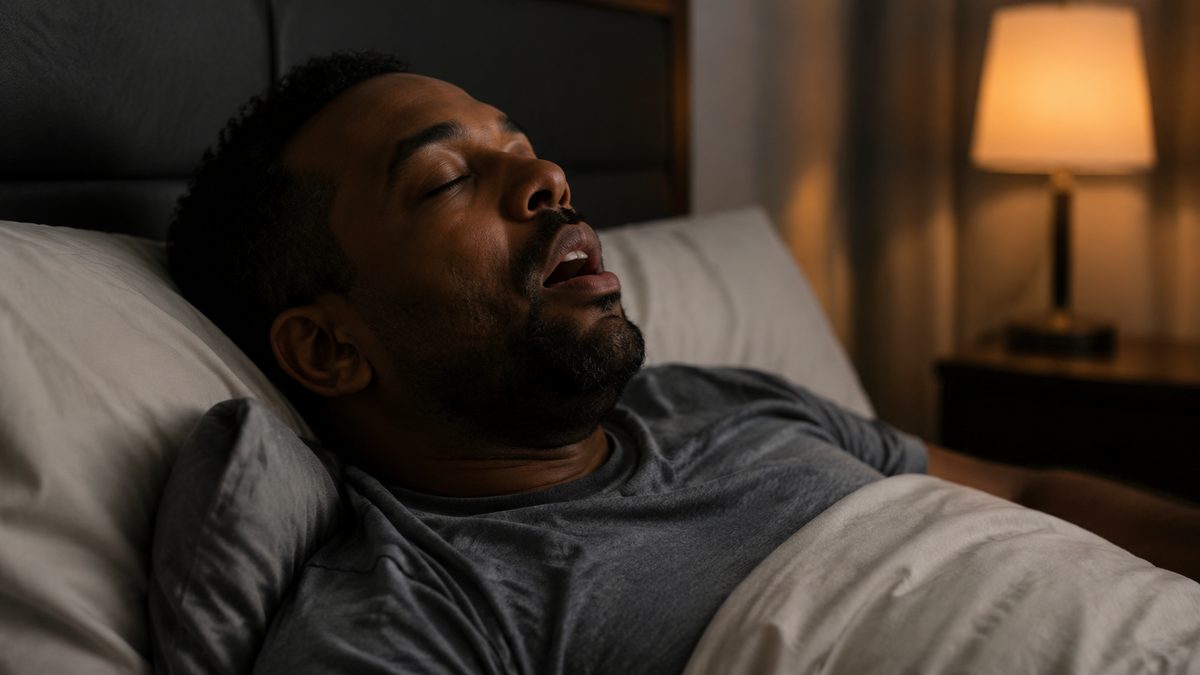
The first stage of sleep apnea is mild obstructive sleep apnea. During this stage, your breathing stops or becomes shallow between five and fifteen times every hour you sleep. Doctors call these breathing pauses hypopneas when breathing slows down, and apneas when breathing stops completely. Each pause must last for at least ten seconds to count toward your hourly score.
Many people live with mild sleep apnea without realizing it. They might wake up feeling tired or have a dry mouth. They often blame these issues on stress or bad sleep habits. When I worked with a client named Sarah, she complained of constant morning fatigue. She thought she just needed more coffee. A sleep test showed she experienced twelve breathing pauses per hour. Once we identified her mild sleep apnea, we were able to address the root causes of her airway collapse and restore her energy levels.
Understanding this first stage helps you stop the condition from getting worse. If you leave it untreated, mild sleep apnea can progress to moderate or severe stages. Over time, constant breathing pauses strain your heart and drain your brain of oxygen. Knowing the signs early allows you to take action before serious damage occurs.
What Happens to Your Airway in the First Stage of Sleep Apnea?
Your throat muscles relax and partially block the passage of air. During normal sleep, the muscles in your upper airway keep the throat open. In the first stage of sleep apnea, these muscles relax too much. The tongue and the soft tissue at the back of your mouth slide backward. This tissue movement narrows the space through which air travels to your lungs.
When you breathe through this narrow space, the tissues vibrate. This vibration causes the sound of snoring. Snoring is often the very first sign that your airway is collapsing. The brain must work harder to pull air past the obstruction. This struggle changes your sleep patterns, even if you do not wake up completely.
This airway collapse involves the science of neurophysiology. Your brain monitors oxygen levels in your blood. When the airway blocks, oxygen levels drop. Your brain senses this drop and sends a quick signal to wake you up. You might gasp or snort. You do not remember these quick awakenings, but they disrupt your deep sleep cycles. This constant waking prevents your body from entering the restorative stages of sleep.
What Is Commonly Mistaken for Sleep Apnea?
Simple snoring and chronic fatigue are often mistaken for sleep apnea. Many people believe that snoring is just an annoying habit. They do not realize that snoring is the early stage of a physical airway blockage. Simple snoring does not involve breathing pauses or oxygen drops, but it can easily turn into mild sleep apnea over time.
I remember one of my clients, Marcus, who was treated for clinical depression for two years. He felt unmotivated, irritable, and chronically tired. He had no idea his issues came from his throat. His wife noted that he snored, but they never connected it to his mood. When we looked at his sleep quality, we discovered his throat collapsed repeatedly during the night. His lack of oxygen was causing his low mood and brain fog. Treating his airway issues resolved his mental fatigue.
Other conditions that mimic sleep apnea include insomnia and acid reflux. People who wake up gasping sometimes think they have stomach acid in their throat. Others who wake up frequently assume they simply have trouble staying asleep. In clinical medicine, doctors must rule out these issues to find the true cause of sleep disruption. Otorhinolaryngology, which is the medical study of the ear, nose, and throat, often helps identify physical blockages like enlarged tonsils or a deviated septum that mimic or worsen sleep apnea.
At What Age Does Sleep Apnea Usually Start?
Sleep apnea usually starts between the ages of 30 and 50. During these middle years, people naturally lose muscle tone throughout the body. The muscles in the throat are no exception. As these muscles weaken, they become more likely to collapse during sleep.
Changes in body weight also occur during these years. Weight gain is one of the primary determinants of health linked to sleep issues. Extra fat tissue around the neck presses down on the airway when you lie flat. This physical pressure makes throat collapse much more likely. Doctors study these physical changes through bariatrics, which is the branch of medicine dealing with obesity.
Children can also develop sleep apnea. In young children, the condition usually starts between ages two and six. The cause in children is almost always enlarged tonsils or adenoids rather than weight. In older adults, the condition becomes even more common. By age 65, the risk increases significantly because the brain becomes less sensitive to oxygen drops during sleep.
What Is the 4% Rule for Sleep Apnea?
The 4% rule is a medical standard used during sleep studies to count a breathing pause as a hypopnea. To meet this standard, your breathing must drop by at least 30% for ten seconds or longer. This drop must cause the oxygen level in your blood to fall by 4% or more.
Medical clinics use this rule to measure the severity of your condition. If your blood oxygen drops from 98% to 94%, that event counts toward your hourly score. If the drop is only 2%, some sleep clinics might not count it, depending on the specific guidelines they follow. Some insurance companies require the 4% rule to approve coverage for treatment devices.
A lower oxygen level strains your cardiovascular system. When your blood oxygen drops by 4%, your heart beats faster to pump more blood. This sudden spike in heart rate raises your blood pressure. If this happens ten times every hour, your heart never gets to rest. This constant nightly stress eventually leads to chronic high blood pressure and arterial damage.
What Is the New Pill for Sleep Apnea?
The new pill for sleep apnea is a combination of two drugs called atomoxetine and oxybutynin. Scientists designed this drug combination to keep the airway open during sleep by targeting the nervous system. The pill attempts to solve a neurophysiological problem rather than using mechanical force like a mask.
Atomoxetine is a medication normally used for attention deficit hyperactivity disorder. It increases chemical messengers in the brain that stimulate muscles. Oxybutynin is a drug used for overactive bladder. When combined, these two drugs prevent the tongue and throat muscles from relaxing too much during sleep.In clinical trials, this pill reduced breathing pauses by about 50% for many patients. However, the pill is not a permanent cure and causes side effects like dry mouth and difficulty urinating. Many people prefer to avoid long-term pharmaceutical use. Instead of relying on pills that alter brain chemistry, they look for natural ways to restore muscle tone and reduce airway inflammation.
How Can You Treat Mild Sleep Apnea Naturally?
You can treat mild sleep apnea naturally by improving your airway muscle tone and changing your sleeping position. Myofunctional therapy is one effective method. This therapy involves performing daily exercises for your tongue and throat muscles. Strengthening these muscles stops them from sliding backward into your airway when you sleep.
Weight management is another powerful tool. Losing even a small amount of weight reduces the fat pads in your neck. This relieves the physical pressure on your windpipe. Eating a anti-inflammatory diet helps reduce tissue swelling in your nasal passages and throat, making breathing much easier.
Homeopathic treatment offers a natural, individualized approach to improving airway health. Homeopathy works by stimulating the body's self-healing mechanisms. To support your body's healing, you can read more about natural health options at Homeopathy Plus. Homeopathic remedies are selected based on your specific physical symptoms and constitutional type. When we address chronic tissue swelling and support overall vitality, the body can naturally maintain better airway passage structure during the night.
Frequently Asked Questions
Can mild sleep apnea go away on its own?
Mild sleep apnea does not usually go away without changes to your lifestyle or physical health. If you lose weight or strengthen your throat muscles, the condition can resolve. If you do not take action, aging and weight gain will likely cause the condition to worsen.
How do I know if my snoring is sleep apnea?
You can tell the difference by listening for gasping, choking, or pauses in the snoring. Simple snoring is usually rhythmic and steady. Sleep apnea snoring is interrupted by silence, followed by a sudden gasp or snort as you struggle for air.
Does sleeping on your side help mild sleep apnea?
Yes, sleeping on your side helps significantly. When you sleep on your back, gravity pulls your tongue and soft palate down into your throat. Sleeping on your side keeps the airway open by letting these tissues fall to the side instead of backward.
Can stress cause mild sleep apnea?
Stress does not cause the physical collapse of your airway directly. However, stress causes muscle tension, alters sleep stages, and can lead to weight gain. These factors make you more vulnerable to airway issues during the night.
Your Action Steps for Better Sleep
To address mild sleep apnea, you must take active steps to keep your airway open and strengthen your throat tissues. Start with these concrete actions:
- Sleep on your side by using a body pillow to prevent your body from rolling onto your back.
- Perform throat exercises by pressing your tongue flat against the roof of your mouth for three minutes daily.
- Avoid alcohol and sedatives for at least four hours before bed, as these substances relax your throat muscles.
- Consult with a natural health practitioner to explore homeopathic remedies that support tissue tone and reduce nasal congestion.


What Are 10 Signs That My Body Is Healthy?
Read article →
How to Tell if Your Body Is Unhealthy?
Read article →
What Are Signs of Poor Function Health?
Read article →
What Are Some Weird Signs That My Body Is Healthy?
Read article →
What Are Five Signs That I Might Not Be Healthy?
Read article →