What Is the Japanese Trick for Sleep Apnea? The Truth (and What Actually Works)
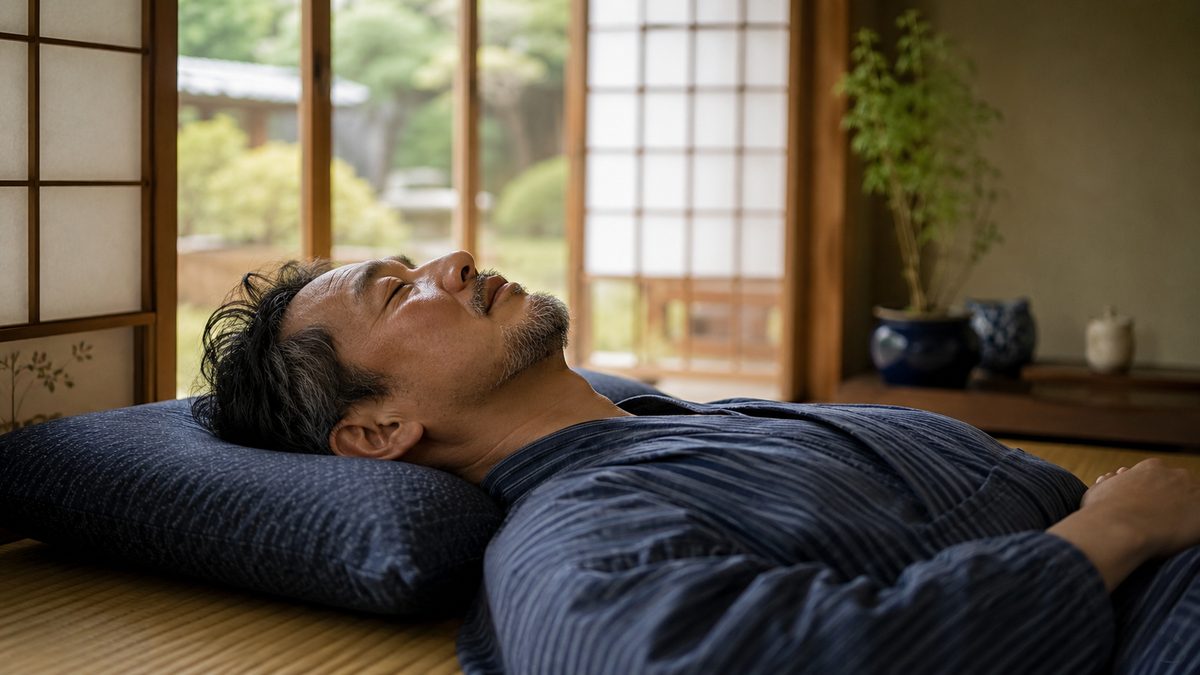
There is no Japanese trick for sleep apnea. The viral posts and YouTube videos claiming otherwise aren't backed by clinical research, Japanese medical tradition, or sleep science. It doesn't exist.
What does exist are several real, evidence-based options that can cut apnea events by 30 to 50 percent. One of them might work for you depending on how your apnea behaves at night.
If you landed here because your sleep is wrecked and you're desperate for something other than a CPAP machine strapped to your face, that's completely understandable. Keep reading. There are real alternatives worth knowing about.
Where Did the "Japanese Trick" Come From?
The phrase spread through short-form video content and listicle sites. Different versions point to different things: a breathing technique, a pillow position, or a tongue exercise. None of them trace back to a named Japanese clinical study, a named researcher, or a published trial.
One of my clients spent three weeks trying a tongue-pressing technique she found on a sleep apnea forum. She felt less tired in the mornings and was convinced it was working. When she finally did a home sleep test, her apnea-hypopnea index hadn't changed at all. What changed was her anxiety about her breathing. That's a real benefit, but it's not treating the airway obstruction.
The "Japanese sleep well trick" and "Japanese breathing trick" searches pull up similar content. Some reference slow nasal breathing before bed. Slow nasal breathing is genuinely relaxing and can improve sleep quality in people with mild insomnia. For obstructive sleep apnea, where your airway physically collapses during sleep, it doesn't keep your throat open.
What Actually Happens During Sleep Apnea?
Your throat is held open by muscles. When you sleep, those muscles relax. In most people, there's enough structural space that the airway stays open. In people with sleep apnea, the airway collapses, oxygen drops, your brain sends an emergency signal, and you partially wake up to reopen it. This can happen 5 to over 100 times per hour.
The problem is structural and neurological, not just habitual. No breathing pattern you consciously practice while awake changes what your airway does while you're unconscious.
sleep apnea raises your risk of high blood pressure, heart disease, stroke, and type 2 diabetes. It also significantly worsens mood, memory, and daytime function. This isn't a condition to manage with internet hacks.
What Do the Japanese Use to Reduce Sleep Apnea?
Japan has a high-quality sleep medicine infrastructure with CPAP being the primary treatment, same as in Australia, the US, and Europe. There's no uniquely Japanese protocol for apnea that differs from international sleep medicine standards.
What some Japanese wellness content does promote is side-sleeping, consistent sleep schedules, and nasal breathing practices. These have genuine value for general sleep health and mild positional apnea. They're not replacements for diagnosed moderate or severe apnea treatment.
What Is the Pillow Trick for Sleep Apnea?
This one has some real science behind it. For people whose apnea is significantly worse when sleeping on their back, positional therapy is a legitimate treatment option. The goal is keeping you off your back throughout the night.
Devices range from wedge pillows and positional alarms worn on the chest to vibrating wristbands that nudge you when you roll onto your back. Clinical research confirms these work well for positional obstructive sleep apnea, where events cluster heavily in the supine position.
I remember one client who had a mild-to-moderate diagnosis and hated every CPAP mask she tried. Her sleep study showed her AHI on her back was 22 events per hour and on her side it was 4. She used a positional device for six months. Her follow-up study showed an average AHI under 5. That's a legitimate clinical success.
The catch: this only works if your apnea is genuinely positional. You need a sleep study to know that. Guessing based on how you feel isn't reliable.
Treatments That Are Backed by Research
CPAP: Still the Gold Standard
Continuous positive airway pressure works by pushing air into your airway to keep it open. It's the most studied and most effective treatment for moderate to severe obstructive sleep apnea. The problem is compliance. A lot of people can't tolerate the mask, the pressure, or the noise. If that's you, the options below are worth discussing with a sleep doctor.
Hypoglossal Nerve Stimulation
This is an implanted device that stimulates the nerve controlling your tongue, keeping it from falling back and blocking your airway during sleep. It's FDA-approved for adults with moderate to severe obstructive sleep apnea who can't tolerate CPAP. Research shows significant reductions in apnea events in appropriate candidates.
It's not for everyone. Your anatomy matters, and your sleep specialist needs to assess whether you're a candidate. But for the right person, it's a genuine game-changer.
Drug Treatments in Development
Sulthiame, an anticonvulsant drug, reduced apnea events by 32 to 41 percent at doses of 200 to 400 mg in a randomized controlled trial, and by around 50 percent at 300 mg in a phase 2 trial. The main side effect was tingling, reported by 67 to 79 percent of participants. It's not yet widely available but represents a meaningful shift in how sleep medicine thinks about drug treatment.
A combination of dronabinol and acetazolamide reduced apnea events by 16 to 20 more than placebo in a dose-finding study. Research is ongoing.
These aren't supplements. They're prescription drugs being trialed in clinical settings. I'm mentioning them here for context on why sleep medicine is changing fast and why talking to a specialist now matters.
Weight Loss
Obesity is one of the strongest modifiable risk factors for obstructive sleep apnea. Tirzepatide, a weight-loss drug, is currently in a large phase 3 trial specifically for sleep apnea because of how strongly obesity and apnea interact. Even modest weight loss, around 10 percent of body weight, can produce meaningful reductions in apnea severity in overweight patients.
This isn't about telling anyone they need to lose weight. It's about recognizing that for people where excess weight is contributing to airway collapse, addressing it is a direct treatment pathway.
Mandibular Advancement Splints
A mandibular advancement splint is a custom dental device that holds your lower jaw slightly forward during sleep, which keeps the back of your throat from collapsing. It's a well-established, non-invasive option for mild to moderate apnea and for people who can't use CPAP. A dentist trained in sleep medicine fits it to your jaw.
In my experience, people are often surprised this exists. They assumed their only options were CPAP or surgery. A splint doesn't work as well as CPAP for severe apnea, but for the right patient it produces real, measurable improvement in sleep quality and AHI.
Surgery
For people who can't tolerate CPAP and have structural issues contributing to obstruction, surgical options exist. Transoral robotic surgery is one approach for removing soft tissue that blocks the airway. Surgery is typically considered after other options have been tried or ruled out, and outcomes vary based on anatomy.
What Most Articles Get Wrong About Sleep Apnea Fixes
Three things come up regularly that most sleep apnea content misses or misrepresents.
First: People assume CPAP is the only real option and that alternatives are fringe. The research pipeline is genuinely moving. Drug treatments, nerve stimulation, and positional devices are all evidence-backed in specific patient groups. The conversation with your sleep doctor should cover all of them.
Second: Mild apnea gets dismissed too easily. An AHI of 10 means your breathing is being interrupted ten times per hour. Over eight hours, that's 80 disruptions. People with mild apnea often feel the effects in their mood, memory, and energy before they connect it to their breathing.
Third: The emotional side of sleep apnea is underrecognized. When I tried to explain to my own doctor that I was waking up feeling worse than when I went to bed, it took two appointments for him to order a sleep study. Many people are told they're just stressed or anxious. The anxiety often comes after years of fragmented sleep, not before.
FAQ
Is there any Japanese breathing technique that helps sleep apnea?
Slow nasal breathing techniques can support relaxation and general sleep quality. They don't treat obstructive apnea because they can't keep your airway open while you're asleep and unconscious. For apnea treatment, you need something that works during sleep, not before it.
Can sleeping position fix sleep apnea?
For positional sleep apnea, where events cluster heavily when you sleep on your back, yes. Positional therapy devices have clinical evidence behind them. For non-positional apnea, sleeping on your side may help slightly but won't resolve the condition.
What is the fastest way to treat sleep apnea without CPAP?
There's no single fastest option. The right choice depends on your apnea severity, anatomy, weight, and whether your apnea is positional. A mandibular splint, positional device, or nerve stimulator may each be appropriate depending on your profile. Start with a sleep study to get your actual data. sleep specialist
Can homeopathy or natural remedies treat sleep apnea?
Complementary approaches can support overall sleep health, reduce inflammation, and address contributing factors. For diagnosed obstructive sleep apnea, a structural problem requires structural or physiological treatment. A practitioner experienced in both areas can help you build a full picture of what's driving your symptoms and what approaches make sense alongside or before medical intervention.
Do tongue exercises help sleep apnea?
Oropharyngeal exercises, which include tongue and throat muscle training, have shown modest reductions in apnea severity in some studies, particularly for mild apnea. They're not a replacement for CPAP in moderate or severe cases but may be a useful adjunct.
How do I know if my apnea is positional?
A full overnight sleep study, either in a lab or with a validated home device, will record your AHI by position. If your supine AHI is more than twice your non-supine AHI, you likely have positional apnea and positional therapy is worth discussing with your doctor.
What to Do Now
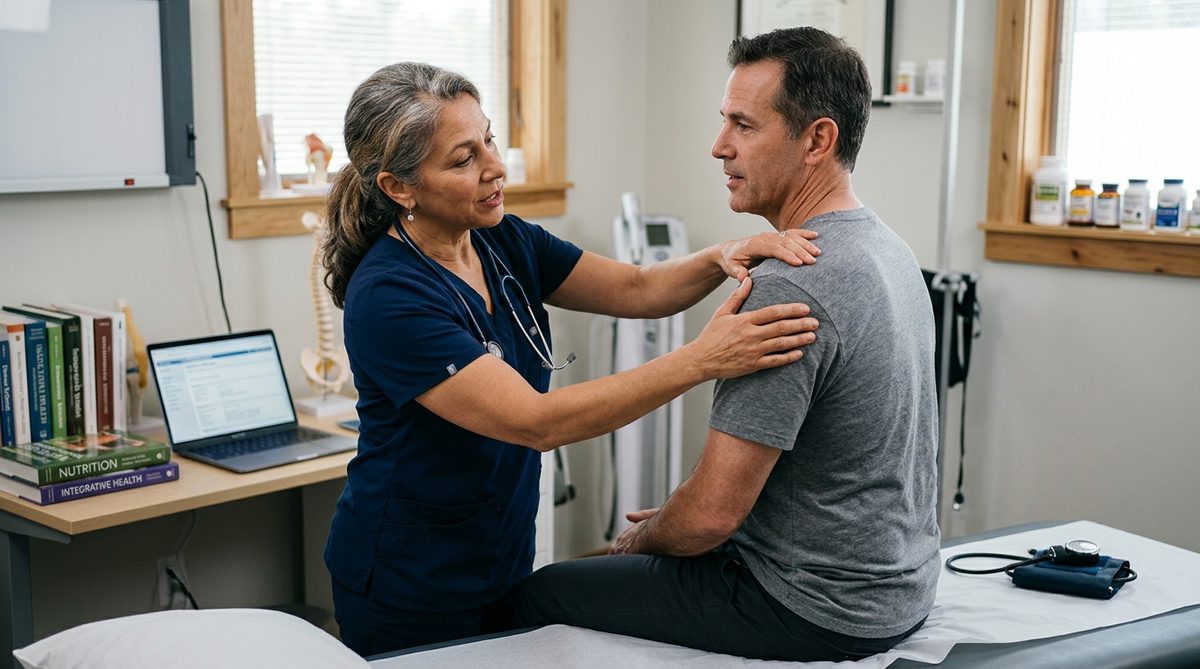
Get a sleep study. That's the only way to know your actual apnea severity, whether it's positional, and which treatments your anatomy and profile support. Everything else, including this article, is general guidance that can't replace data about your specific airway.
Once you have your results, ask your doctor specifically about positional therapy, mandibular splints, and newer pharmacological options alongside CPAP. The conversation has expanded well beyond the mask-or-nothing choice it used to be.
And skip the viral tricks. Your sleep, and your health, are worth more than that.
Sources
Continue with the Sleep article archive collection.

What Are 10 Signs That My Body Is Healthy?
Read article →
How to Tell if Your Body Is Unhealthy?
Read article →
What Are Signs of Poor Function Health?
Read article →
What Are Some Weird Signs That My Body Is Healthy?
Read article →
What Are Five Signs That I Might Not Be Healthy?
Read article →