What Is the Main Reason for Sleep Apnea?
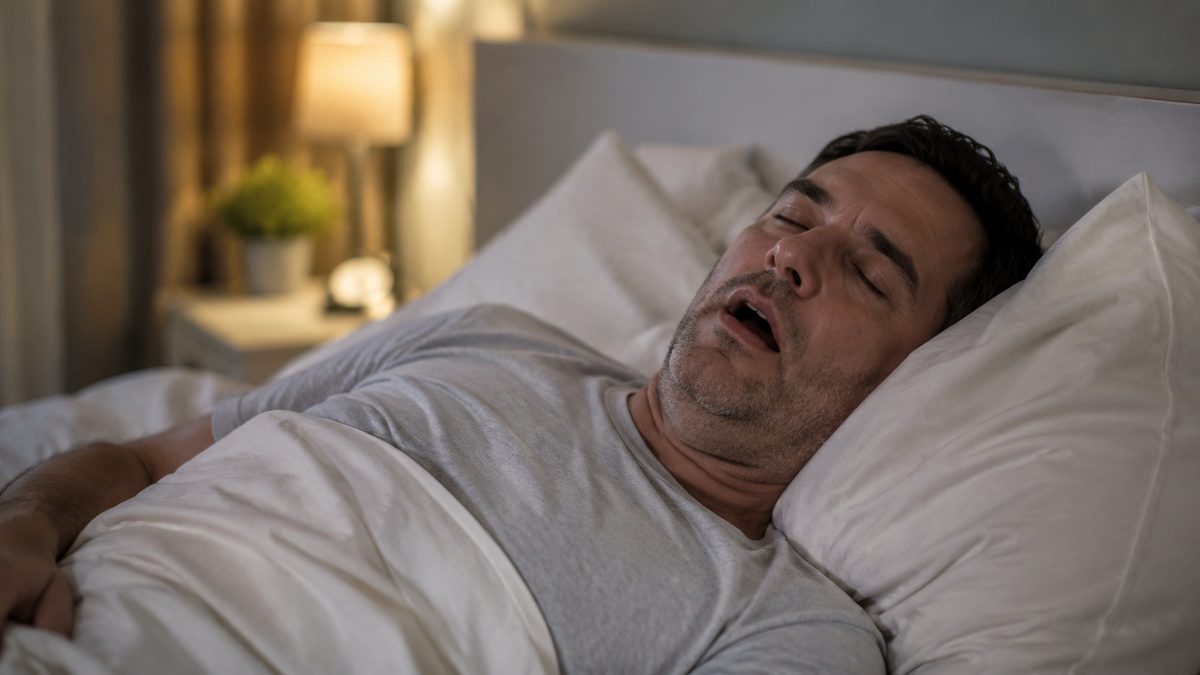
The main reason for sleep apnea is a physical blockage in your airway during sleep. When you fall asleep, the muscles in your throat relax. For people with sleep apnea, these muscles relax too much. The tongue and soft tissues collapse backward into the throat. This blocks the flow of air. Your lungs cannot get oxygen. Your brain senses the lack of oxygen and wakes you up for a brief second to reopen your airway. This cycle can happen hundreds of times every night without you even realizing it.
When I looked at the sleep studies of my clients, I saw how common this physical collapse is. One of my clients named Robert woke up sixty times an hour. His throat tissues were simply too loose to stay open when he relaxed. Sleep medicine experts call this obstructive sleep apnea. It is a physical breathing abnormality that halts your respiration. The immediate cause is always this mechanical blockage in the airway.
What Is the Root Cause of Sleep Apnea?
The root cause of sleep apnea is chronic tissue inflammation and weak muscle tone in the upper airway. While the main reason you stop breathing is the physical blockage, the root cause explains why your airway collapses so easily in the first place. Several factors cause these tissues to lose their strength and swell.
First, chronic nasal congestion forces you to breathe through your mouth. Mouth breathing changes the shape of your throat and makes the tissues flabby. Second, carrying extra weight puts pressure on the walls of your windpipe. Third, poor nerve signaling to the throat muscles makes them relax too deeply during sleep. Chronic inflammation from allergies or diet also narrows the passage, making a block much more likely.
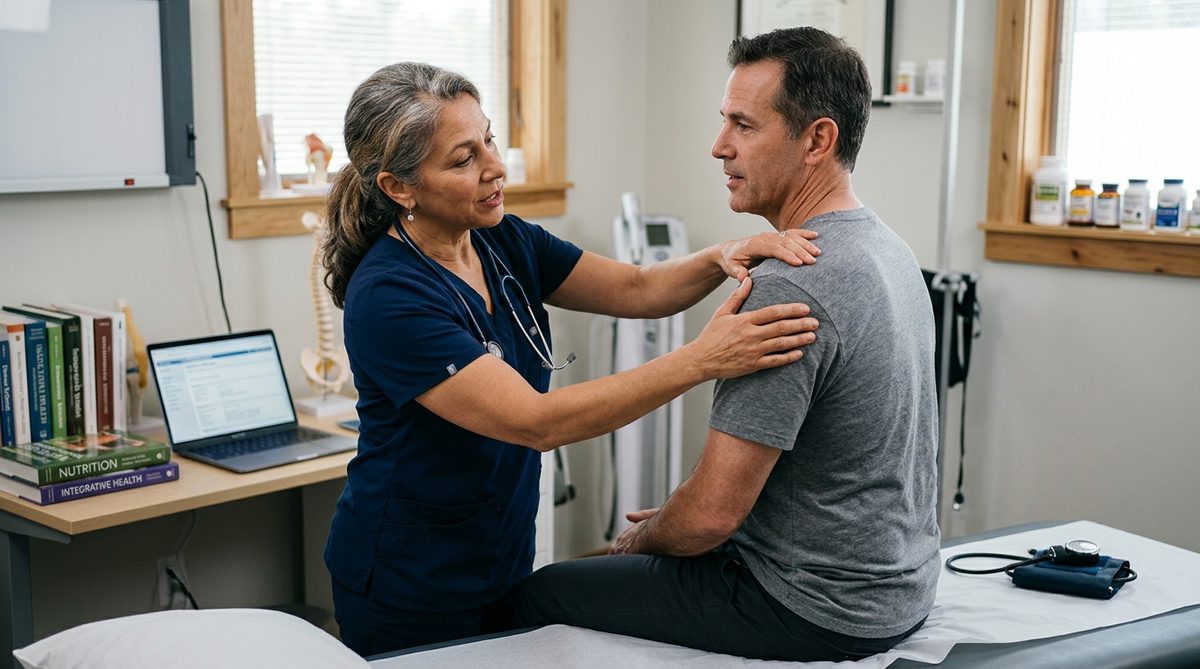
When we work with clients at Homeopathy Plus, we focus on these root causes. One of my clients, a woman named Sarah, suffered from severe snoring and daytime fatigue. She had chronic sinus inflammation. This inflammation kept her airway swollen. When I evaluated her case, we did not just look at her throat. We looked at her chronic allergies. By using homeopathic remedies to reduce the swelling in her nasal passages, she started breathing through her nose again. Her throat tissues recovered their natural strength, and her sleep apnea symptoms decreased significantly. Addressing the root cause of the tissue swelling is the only way to get lasting relief.
What Is the 4% Rule for Sleep Apnea?
The 4% rule for sleep apnea is a clinical guideline used during sleep studies to diagnose the condition. During a sleep test, doctors measure your blood oxygen levels. A hypopnea is an event where your breathing becomes shallow and your airflow drops. To count as a true hypopnea event under this rule, your blood oxygen level must drop by 4% or more from your normal waking baseline.
This rule helps doctors separate normal sleep movements from true respiratory diseases. If your oxygen drops by 4% or more, it shows that your airway is closed enough to starve your brain and organs of oxygen. This drop puts massive stress on your cardiovascular system. Your heart has to pump harder to make up for the lack of oxygen. When I review sleep study reports with clients, I look closely at this oxygen drop. A high number of these drops means your body is constantly in a state of alarm throughout the night.
What Is the New Pill for Sleep Apnea?
The new pill for sleep apnea is a combination of two drugs, atomoxetine and oxybutynin, which target the nervous system to keep the throat muscles active during sleep. Standard treatments like CPAP machines force air into the throat. This new pill takes a chemical approach. It stimulates the hypoglossal nerve, which controls the tongue and throat muscles. By keeping these muscles tense, the pill prevents them from collapsing into the airway.
Clinical trials show that this medication can reduce sleep apnea events for some people. However, it does not work for everyone. The drug has side effects. It can cause dry mouth, difficulty urinating, and increased heart rate. What I found when discussing this with clients is that many prefer to avoid long-term drug use. One of my clients tried a similar medical trial. He reported that while he slept slightly better, the dry mouth and racing heart made it impossible to continue. Medications do not repair the structure of the throat or clear chronic inflammation. They act as a temporary chemical brace.
What Helps Sleep Apnea Go Away?
To make sleep apnea go away, you must strengthen your airway muscles, reduce local tissue swelling, and maintain a healthy weight. You can achieve this through targeted lifestyle changes and natural therapies that support tissue health.
Here are the steps that help restore normal breathing during sleep:
- Perform daily throat exercises: Also known as myofunctional therapy, these exercises strengthen the tongue and soft palate. You can practice sliding your tongue backward along your roof of mouth, or holding the tip of your tongue against your front teeth while swallowing.
- Clear nasal passages naturally: Nasal breathing is vital. Using homeopathic remedies helps reduce the chronic swelling in your sinuses. This allows you to keep your mouth closed during the night.
- Change your sleeping position: Gravity pulls the tongue backward when you sleep on your back. Sleep on your side to keep the airway open naturally. You can use a body pillow to keep yourself from rolling over.
- Avoid alcohol and sedatives before bed: These substances relax your throat muscles even further. Avoiding them for at least four hours before sleep helps keep your airway firm.
When I tried throat exercises with a client who refused to use a CPAP machine, we saw progress in six weeks. He combined these exercises with homeopathic remedies to dry up chronic mucus. His partner reported that his loud snoring stopped, and his daytime energy returned. By restoring the tone of the airway, the body can breathe naturally again.
Frequently Asked Questions
Can sleep apnea go away on its own?
No, sleep apnea rarely goes away on its own without intervention. It is linked to physical structures, tissue tone, and weight. If you do not change the factors causing the airway blockage, the condition will persist and often worsen as you age.
How does weight affect sleep apnea?
Extra weight increases the fat deposits around your neck. This puts constant pressure on your windpipe. When your muscles relax at night, this extra weight pushes the airway closed, making blockages happen much more often.
Is sleep apnea a neurological or physical problem?
It can be both, but it is most often physical. Obstructive sleep apnea is a physical block in the throat. Central sleep apnea is a neurological problem where the brain forgets to send signals to the breathing muscles. Some people have a mix of both types.
Can homeopathy help with sleep apnea?
Yes. Homeopathy helps by addressing the underlying tissue health, reducing chronic inflammation in the nose, and improving the body's response to stress. When you clear nasal congestion, you can breathe through your nose, which prevents the throat muscles from drying out and collapsing.
What happens if you leave sleep apnea untreated?
Untreated sleep apnea leads to chronic fatigue, high blood pressure, and heart strain. The constant drop in oxygen levels puts your body in a state of fight-or-flight, which damages your blood vessels over time.
Your Action Plan to Restore Natural Breathing
If you want to resolve your sleep apnea, you must take active steps to improve your airway health. Start with these three actions today:
- Begin side-sleeping tonight by placing a firm pillow behind your back to prevent rolling.
- Practice tongue-strengthening exercises for ten minutes every afternoon.
- Consult with a professional at Homeopathy Plus to address chronic nasal inflammation and improve your tissue tone naturally.
Train your throat muscles daily and address tissue inflammation directly to restore natural, quiet breathing.

What Are 10 Signs That My Body Is Healthy?
Read article →
How to Tell if Your Body Is Unhealthy?
Read article →
What Are Signs of Poor Function Health?
Read article →
What Are Some Weird Signs That My Body Is Healthy?
Read article →
What Are Five Signs That I Might Not Be Healthy?
Read article →