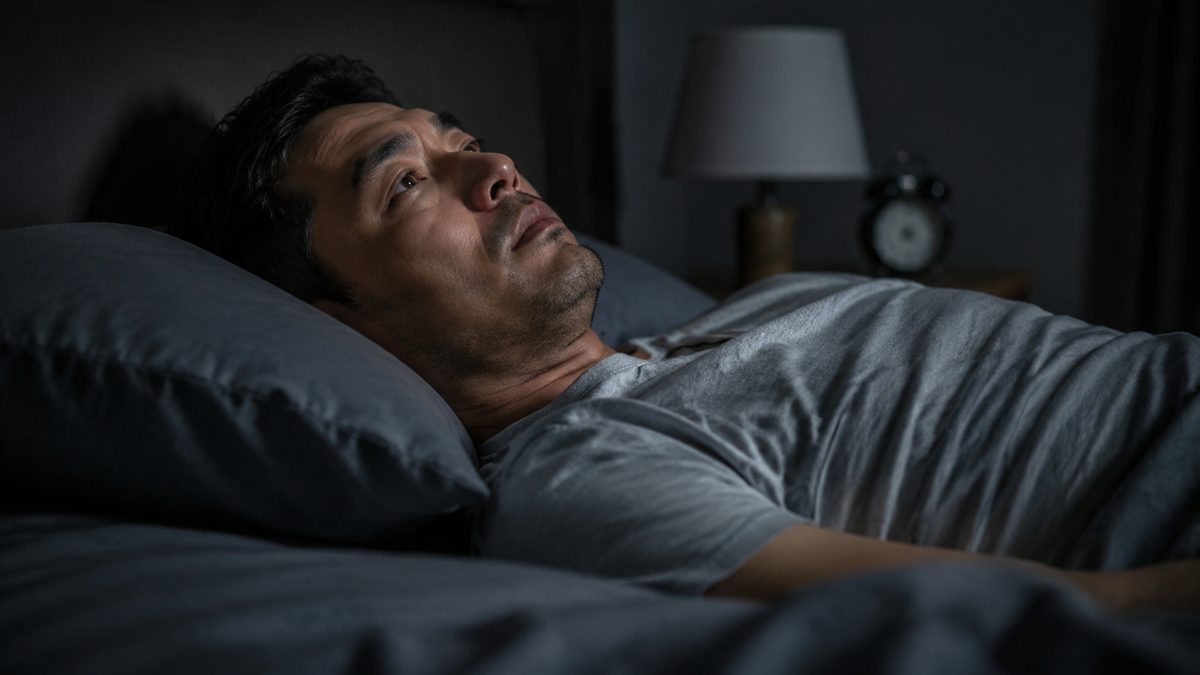
What Is the Most Common Cause of Death in Sleep Apnea?
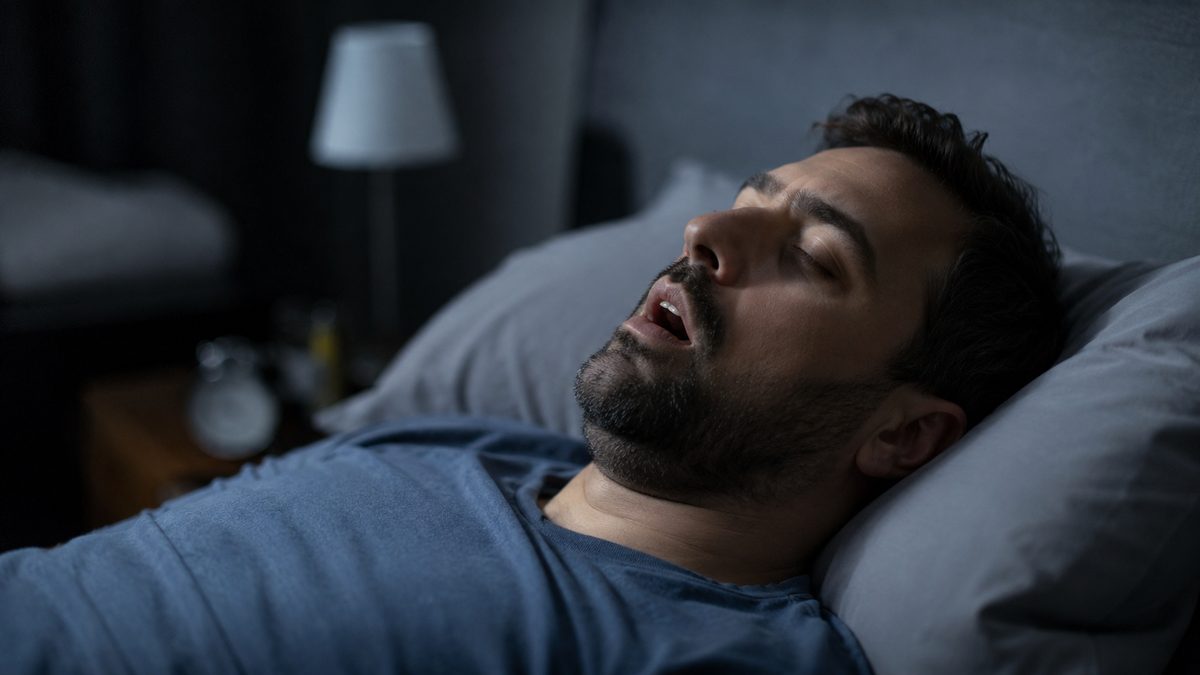
Sudden cardiac death is the most common cause of death in sleep apnea, triggered by dangerous heart rhythm disturbances during sleep. Untreated obstructive sleep apnea (OSA) nearly quadruples this risk.
The oxygen drops, pressure swings, and nervous system surges that happen every time you stop breathing push the heart into electrical instability. But here's the good news: consistent treatment eliminates this elevated risk entirely.
Why Does Sleep Apnea Kill the Heart?
Every apnea event, your blood oxygen falls. Your body reacts like it's under attack. The sympathetic nervous system fires. Stress hormones flood in. Blood pressure spikes.
The heart works harder at the exact moment it's receiving less oxygen. This happens dozens, sometimes hundreds, of times per night.
A 2024 systematic review identified four mechanisms that destabilize the heart: intrathoracic pressure changes, intermittent hypoxia, sympathetic nervous system activation, and catecholamine release. Each one alone strains cardiac tissue. Together, they create conditions for fatal arrhythmia.
The heart is an electrical organ. When you disturb its chemistry and oxygen supply repeatedly over months and years, you change how it conducts electrical signals. Cells in the heart muscle begin to conduct unevenly. That unevenness is called myocardial electrical heterogeneity, and it's one of the core pathways to sudden cardiac death.
What makes this especially dangerous: post-mortem exams often find no visible structural damage to the heart. It can look normal and still have been killed by the electrical chaos that OSA produces.
How Rare Is Dying From Sleep Apnea?
Dying from sleep apnea isn't rare if it goes untreated. A 2025 meta-analysis of over 527,000 participants found that untreated OSA patients had a nearly fourfold increased risk of sudden cardiac death compared to people without OSA (OR=3.87; 95% CI: 1.09-13.81).
Patients receiving CPAP therapy showed no elevated risk at all. That gap between treated and untreated is the clearest signal in the research.
OSA is also consistently linked to high blood pressure, stroke, heart attack, heart failure, and cardiac arrhythmias across large studies. Sudden cardiac death sits at the extreme end of a risk spectrum that affects almost every system in the body over time. Explore comprehensive sleep apnea management resources to understand your full range of options.
I remember one client who'd been snoring badly for over a decade. His wife moved to another room. He was tired every day and assumed it was just aging. When he finally got a sleep study, his AHI (breathing interruptions per hour) was 44. That's severe. His cardiologist later told him he'd been living with significantly elevated cardiac risk the entire time without knowing it.
The Atrial Fibrillation Connection Most Articles Miss
Most people think of heart attacks when they hear sleep apnea and heart risk. But the connection to atrial fibrillation (AFib) is equally important and often overlooked.
AFib is an irregular heart rhythm that starts in the atria, the thin-walled upper chambers of the heart. The atria are particularly vulnerable to the pressure fluctuations and oxygen swings that OSA causes. The autonomic nervous system swings during apnea events directly affect the atria.
This matters because AFib is the most common sustained cardiac arrhythmia, and it dramatically increases stroke risk. Research shows a strong link between OSA and AFib across both community-based and clinical studies. Treatment data also suggests that treating OSA reduces AFib recurrence after procedures like cardioversion or ablation.
So the pathway from untreated sleep apnea to death isn't always a dramatic sudden cardiac arrest. Sometimes it's a stroke caused by years of uncontrolled AFib. The mechanism is slower, but the endpoint is the same.
What Common Habit Is Linked to Sleep Apnea?
Alcohol before bed is the habit most directly linked to worsening sleep apnea. Alcohol relaxes throat muscles, which increases how often and how severely your airway collapses during sleep. It also suppresses the brain's arousal response, so your body is slower to wake when oxygen drops.
The result: longer, deeper apnea events at the exact time cardiac stress is highest.
Sleeping on your back has a similar effect. Gravity pulls the tongue and soft palate down into the airway. Many people with mild-to-moderate OSA find their apnea events cluster almost entirely when lying flat.
Obesity is the strongest modifiable risk factor overall. Excess weight around the neck and chest directly compresses the airway. Weight loss of just 10% has been shown to meaningfully reduce apnea severity in clinical studies.
What Is the 4% Rule for Sleep Apnea?
The 4% rule refers to one of the thresholds used in sleep studies to detect apnea events. Specifically, it measures oxygen desaturation. An apnea or hypopnea event can be scored when oxygen saturation drops by 3% or 4% from baseline, depending on which clinical scoring rules the lab uses.
The American Academy of Sleep Medicine has used both thresholds. The 4% desaturation rule tends to produce lower AHI scores than the 3% rule because it requires a bigger oxygen drop to count as an event. The same patient could receive different severity classifications depending on which criteria their sleep lab uses.
From a practical standpoint, the 4% rule matters because it affects diagnosis thresholds and insurance coverage decisions. Some payers require an AHI of 5 or higher using 4% desaturation criteria before approving CPAP. This scoring difference is why patients sometimes get conflicting information about how severe their sleep apnea actually is.
The clinical takeaway: both rules capture real physiological stress. A drop in oxygen, whether 3% or 4%, is still a drop. Repeated drops over a full night still tax the heart.
What Is the Pillow Trick for Sleep Apnea?
The pillow trick is positional therapy. If you prop yourself up or use a wedge pillow to sleep on your side instead of your back, you can meaningfully reduce apnea events for positional OSA.
The mechanism is simple. On your side, gravity no longer pulls soft tissue directly into the airway. The tongue falls forward rather than backward. The airway stays more open.
I know this because one of my clients tried it after resisting CPAP for two years. She bought a body pillow and stitched a tennis ball into the back of her pajama top so rolling over was uncomfortable. Her partner noticed the snoring reduced significantly within a week. Her follow-up study showed her AHI dropped from 18 to 6 in the side-sleeping position.
This approach works best for mild-to-moderate OSA where events are position-dependent. It doesn't replace CPAP for moderate-to-severe OSA. But it's a real, practical tool that most GPs don't mention.
Wedge pillows that elevate the head and torso by 30 to 45 degrees also help with acid reflux, which frequently co-occurs with OSA. That's a secondary benefit worth knowing.
Warning Signs That Your Sleep Apnea Is Affecting Your Heart
The overlap between sleep apnea symptoms and early cardiac stress symptoms is significant. These signs warrant urgent medical attention:
- Waking with a pounding or racing heart
- Morning headaches (from overnight CO2 buildup)
- Frequent nighttime urination (the heart releases a hormone when it's under pressure)
- Waking gasping or choking
- Unexplained high blood pressure, especially if resistant to medication
- Excessive daytime fatigue that doesn't improve with more sleep
Resistant high blood pressure is one of the most under-recognized signs. When blood pressure stays high despite multiple medications, sleep apnea is one of the first things a good cardiologist will rule out. The repeated overnight pressure spikes from apnea events recalibrate the body's baseline blood pressure upward over time.
Treatment Breaks the Risk. Consistently.
The research is clear. CPAP therapy, when used consistently, eliminates the elevated risk of sudden cardiac death that untreated OSA carries. The key word: consistently. Studies define meaningful use as at least four hours per night, where the protective effect becomes measurable.
CPAP works by keeping the airway open with continuous air pressure. No airway collapse means no oxygen drops, no sympathetic surges, no electrical chaos in the heart.
For people who can't tolerate CPAP, alternatives include:
- Mandibular advancement devices (oral appliances that move the jaw forward to open the airway)
- Positional therapy for position-dependent OSA
- Weight loss as a primary intervention in obesity-related OSA
- Upper airway surgery in selected structural cases
CPAP tolerance improves significantly when patients start with proper mask fitting and a pressure ramp-up period. The first two weeks are the hardest. Most people who abandon CPAP do so in the first month, often because of mask discomfort that's actually fixable.
The Piece Nobody Talks About: Sleep Quality After OSA Treatment
Treating the apnea is necessary. But the years of fragmented sleep, elevated cortisol, and nervous system dysregulation don't instantly reverse. Many people start CPAP and still feel unwell for weeks or months, which makes them think the treatment isn't working.
What's actually happening is a recovery process. The body's been in chronic stress. Sleep architecture, the normal cycling between light, deep, and REM sleep, has been disrupted. It takes time to normalize.
This is where supportive approaches to sleep quality and nervous system regulation matter alongside conventional treatment. Reducing inflammation, supporting healthy sleep cycles, and addressing anxiety that's built up around sleep are all part of complete recovery. The medical diagnosis and CPAP are the foundation. Everything built on top determines how well someone actually recovers.
Frequently Asked Questions
Can you die in your sleep from sleep apnea?
Yes. Sudden cardiac death during sleep is the primary fatal outcome in untreated moderate-to-severe OSA. The risk is concentrated in the hours when oxygen drops are deepest and heart rhythm disturbances are most likely.
Does sleep apnea shorten your life?
Untreated severe OSA is associated with increased cardiovascular and stroke mortality. Consistent CPAP use removes the elevated cardiac risk and is linked to normal life expectancy in OSA patients.
Is sleep apnea dangerous if it is mild?
Mild OSA carries far lower cardiac risk than moderate or severe. Sudden cardiac death data is most significant in untreated moderate-to-severe cases. Mild OSA still warrants monitoring, lifestyle changes, and positional therapy where appropriate.
What is the most dangerous time of night for someone with sleep apnea?
REM sleep, which is concentrated in the early morning hours, produces the deepest muscle relaxation and the most severe airway collapses. Most cardiac events linked to OSA occur in this window.
Can a young person die from sleep apnea?
Yes, though it's less common. Younger patients with severe untreated OSA, particularly those with obesity, structural airway abnormalities, or underlying cardiac conditions, carry real risk. Age doesn't remove vulnerability.
What to Do Right Now
If you snore loudly, wake unrefreshed, feel exhausted during the day, or have a partner telling you that you stop breathing at night, get a sleep study. A home-based test is accessible and accurate enough to diagnose most cases.
If you already have a diagnosis and aren't using your CPAP consistently, that's the single most important thing to address. The protection it offers is real, but only when the machine is on.
If you've been told your sleep apnea is mild, focus on positional sleep, reducing alcohol, and managing weight. These changes move the needle and reduce cardiac load without any device.
The heart doesn't recover well from years of untreated apnea. But it responds very well to treatment that starts now.
Sources
Can a Sleep Apnea Diagnosis Be Wrong?
Read article →
What Can Sleep Apnea Be Mistaken For?
Read article →
How Serious Is Mild Sleep Apnea? Risks, Symptoms, and Treatments
Read article →
Does the pillow for sleep apnea really work?
Read article →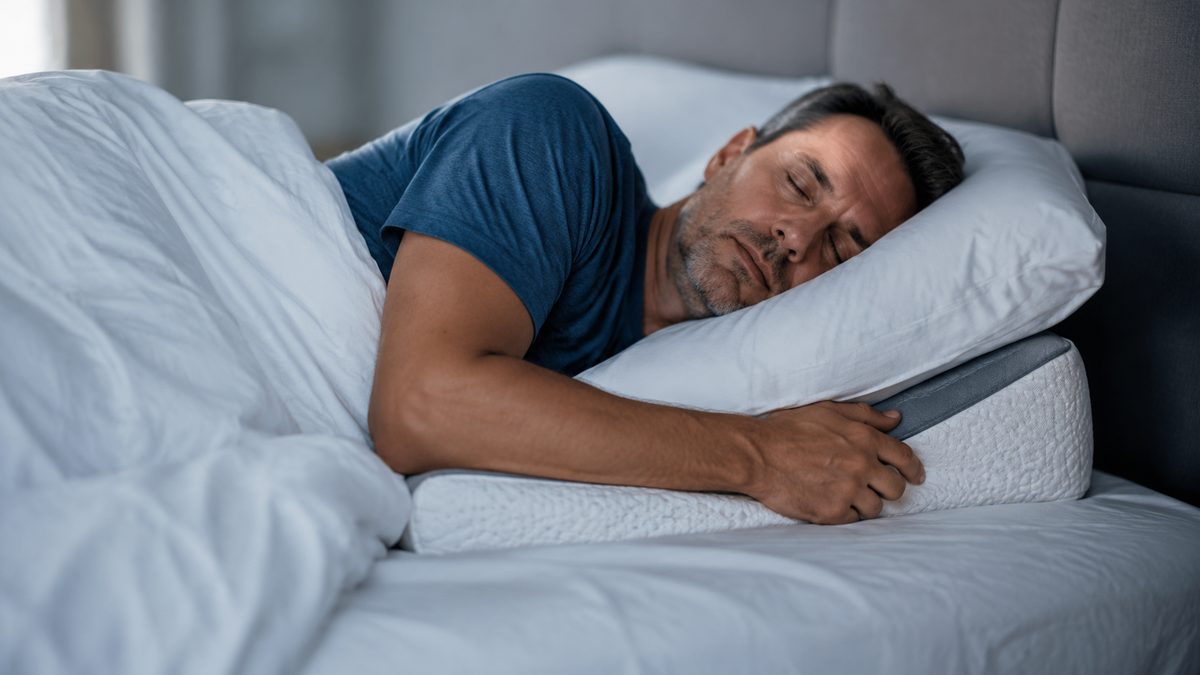
What Is the Pillow Trick That Helps With Sleep Apnea?
Read article →