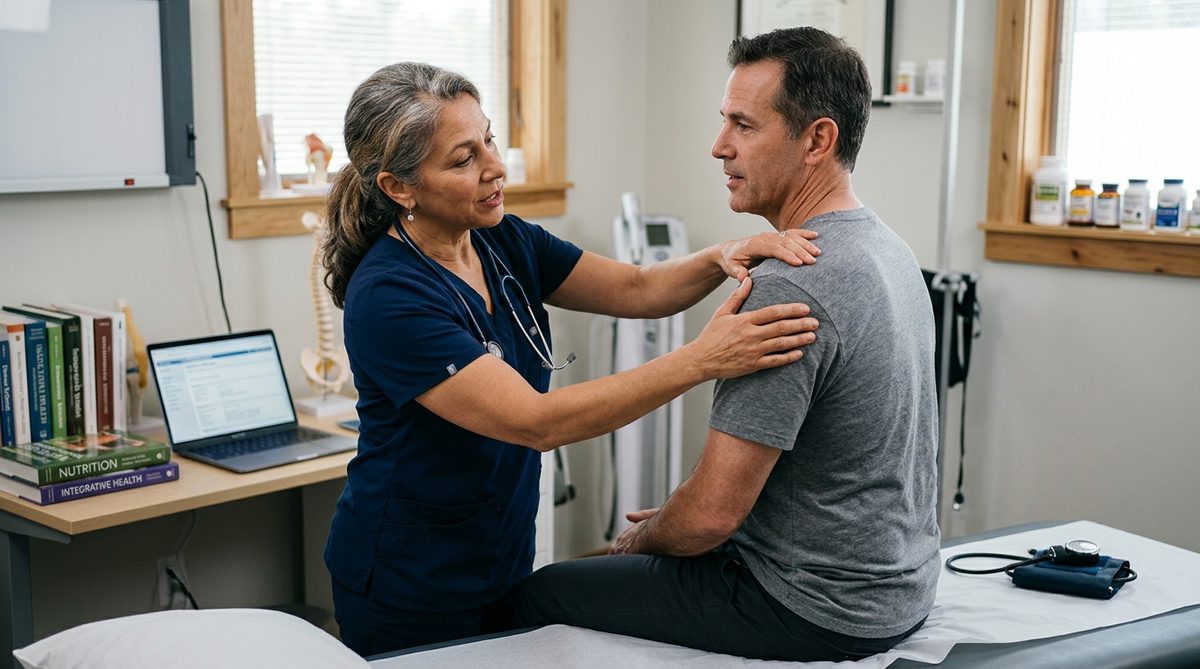
What is the most effective way to cure sleep apnea?
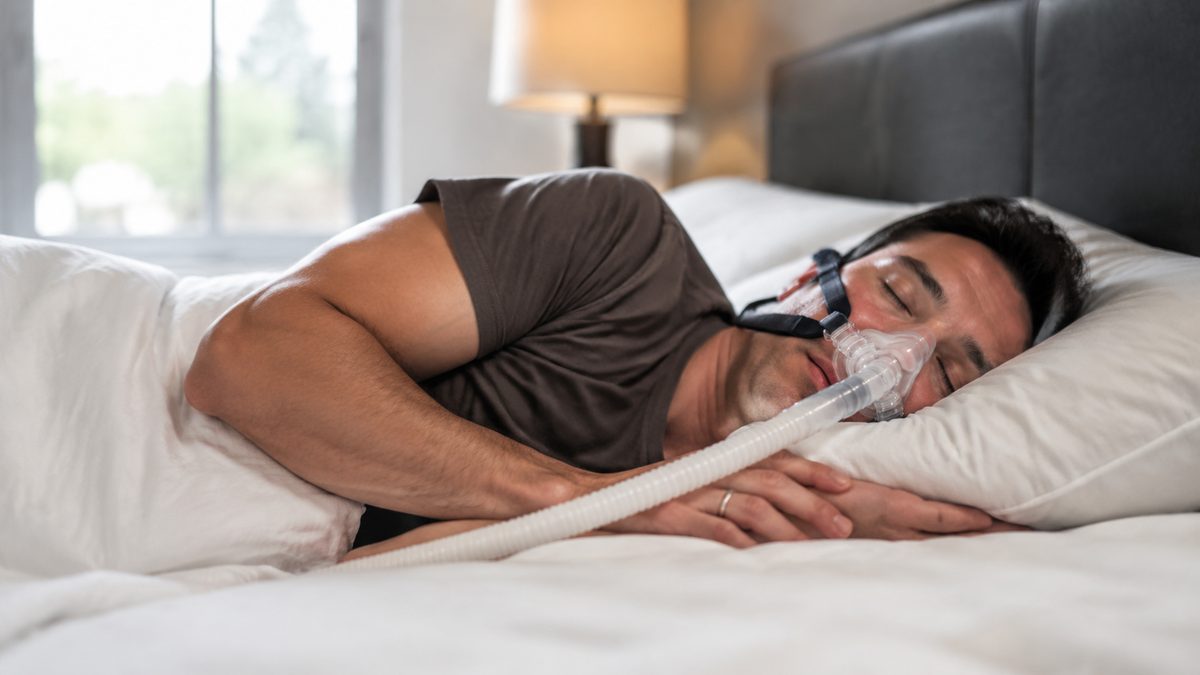
Curing sleep apnea requires widening your airway permanently and restoring your body's natural breathing drive. You cannot cure this condition by simply wearing a mask that blows air. You must fix the underlying tissue collapse and correct the neurological signals that control your breathing.
What is the most successful treatment for sleep apnea?
Many doctors recommend Continuous Positive Airway Pressure (CPAP) as the standard treatment. The machine pumps pressurized air through a mask. This air keeps your airway from collapsing while you sleep. While CPAP works well to manage symptoms, it is not a cure. If you stop using the machine, your breathing issues return immediately.
In my experience, many people cannot tolerate CPAP. One of my clients, Robert, tried using a CPAP machine for six months. He woke up multiple times each night because of air leaks, skin rashes, bloating, and dry mouth. He felt more tired with the machine than without it. Robert wanted a permanent cure, not a lifetime dependency on a machine.
Other medical options include custom oral appliances. These devices pull your lower jaw forward. This movement opens the space behind your tongue. While helpful, these devices can cause jaw pain, bite misalignment, tooth movement, and joint stiffness over time.
For a true cure, you must address the physical structure of your airway and the tone of your throat muscles. We must look at why the tissues collapse. A combination of structural alignment, muscle training, homeopathic treatment, and weight management offers a lasting solution. When we strengthen the throat tissues, they no longer block the airway during deep sleep.
How does neurophysiology connect to sleep apnea?
Breathing is controlled by the autonomic nervous system. Your brain monitors carbon dioxide levels in your blood. When these levels rise, the brainstem sends a signal to your diaphragm to contract.
In people with sleep apnea, this communication pathway is often disrupted. When we look at the neurophysiology of sleep, we see that the brainstem can become desensitized. This desensitization means the brain fails to recognize that carbon dioxide is building up. The breathing reflex slows down or stops.
My client Sarah experienced this issue. Her sleep study showed that even when her throat was clear, her chest stopped moving. Her brain was not telling her body to breathe. This is central sleep apnea, a neurological disorder. Standard treatments do do not address this communication error. Homeopathic remedies help restore the sensitivity of the nervous system. By balancing the nerve pathways, the brainstem can regulate respiration naturally again.
What is the 4% rule for sleep apnea?
In clinical medicine, sleep specialists use specific measurements to diagnose breathing disorders. The 4% rule is a key standard used during sleep studies. It defines what constitutes a hypopnea event. A hypopnea event occurs when your breathing becomes shallow but does not stop completely.
Under this rule, a breathing pause must meet two criteria to count. First, your airflow must drop by at least 30%. Second, your blood oxygen levels must drop by 4% or more. This drop in oxygen is called desaturation.
I remember when a client named Susan showed me her sleep study results. Her report showed that her oxygen levels dropped by 5% over forty times an hour. Each drop forced her brain to wake up slightly to breathe. She did not remember waking up, but she felt exhausted every morning. The constant oxygen drops trigger stress hormones. This stress elevates your blood pressure, strains your heart, increases your risk of stroke, and causes chronic fatigue. Knowing your oxygen desaturation rate helps you understand the severity of your condition.
What is the new pill for sleep apnea?
Pharmaceutical companies are researching chemical solutions for sleep apnea. The new pill being tested is a combination of two drugs: atomoxetine and oxybutynin. This drug combination targets the nervous system rather than the physical airway.
Atomoxetine is a medication normally used for attention deficit hyperactivity disorder. It increases noradrenaline levels in the brain. Oxybutynin is a muscle relaxant often used for bladder control. Together, these chemicals aim to keep the throat muscles active during sleep. The pill prevents the tongue and throat tissues from relaxing too much.
My client John read about this pill and asked if it could cure him. I explained that while the drug reduces breathing pauses in trials, it does not fix structural issues. A pill cannot widen a narrow jaw or reduce fat tissue in the throat. It also causes side effects. Users in clinical trials experienced dry mouth, high heart rates, difficulty urinating, and blurred vision. Curing sleep apnea requires a physical and biological change, not a chemical patch.
What is the Japanese trick for sleep apnea?
The Japanese trick refers to a set of daily mouth exercises designed to strengthen the airway muscles. These exercises are part of myofunctional therapy. They focus on tongue posture and nasal breathing.
The primary exercise involves placing your entire tongue flat against the roof of your mouth. Your lips must stay sealed. You must breathe only through your nose. Many people habitually rest their tongue on the floor of their mouth. This incorrect posture allows the tongue to fall backward into the throat when the muscles relax during sleep.
Myofunctional therapy is like physical therapy for your mouth. The tongue is a powerful group of muscles. When these muscles lose tone, they sag. During deep sleep, the throat relaxes completely. If your tongue lacks muscle tone, gravity pulls it backward into the airway. This block causes the tissues to vibrate, resulting in loud snoring.
In Japan, researchers found that throat exercises significantly reduce the severity of sleep apnea. One exercise is the throat stretch. You open your mouth wide and stretch your tongue downward toward your chin. Hold this position for five seconds, then repeat. Another exercise involves pushing your tongue against the inside of your cheek and holding it. Repeat this on both sides.
One of my clients, David, practiced this tongue posture daily. I taught him to press his tongue upward and hold it for ten minutes. He did this four times a day. He also practiced swallowing without moving his lips. Within a month, David's tongue muscles became stronger. His airway stayed open at night, and his loud snoring stopped. Training your tongue to rest on the roof of your mouth prevents it from blocking your breathing.
How does obesity affect respiration and sleep apnea?
Weight plays a major role in airway collapse. In bariatrics, doctors categorize body weight to assess health risks. The classification of obesity helps determine how much physical pressure is on the throat.
Excess weight leads to fat deposits around the neck and upper chest. When you lie down to sleep, these fat deposits press down on your windpipe. This pressure narrows the space available for respiration.
The relationship between weight and breathing is clear in bariatrics. Fat is stored under the skin and inside the throat walls. This internal fat narrows the diameter of the airway. Even a small reduction in the airway diameter dramatically increases the resistance to airflow.
I worked with a client named James who had severe sleep apnea. James was classified as obese and had a neck circumference of 48 centimeters. His doctor suggested weight loss surgery. James wanted to try a natural path first.
We focused on a clean diet to reduce fat deposits and used homeopathic remedies to improve his metabolism. As James lost 12 kilograms, the pressure on his neck decreased. His breathing became quiet and steady. Reducing body fat directly opens the airway by removing the physical weight compressing the throat.
How does homeopathy address the root cause of sleep apnea?
Homeopathy uses natural remedies to stimulate the body's self-healing systems. Unlike drugs that mask symptoms, homeopathy aims to resolve the underlying physical weakness. We select remedies based on the unique way your body expresses the breathing block.
For obstructive sleep apnea, we target loose throat tissues, swollen tonsils, narrow airways, and chronic nasal swelling. For central sleep apnea, we address the neurological signaling system. The brain must send clear signals to the diaphragm and chest muscles.
The homeopathic process requires matching the remedy to the individual. We do not prescribe the same remedy to everyone with sleep apnea. We study the patient's physical type, sleep position, breathing patterns, and mental state.
When I work with clients, I look at their complete symptom picture. For example, I used the remedy Lachesis for a client named Helen. Helen woke up gasping for air the moment she fell asleep. She felt a choking sensation around her neck and could not tolerate tight collars. After taking Lachesis, her throat sensitivity decreased and her nighttime gasping stopped.
Another remedy we consider is Lycopodium. This is useful when sleep apnea is accompanied by digestive issues like gas and bloating. These individuals often feel a drop in energy in the late afternoon. They also tend to breathe better when lying on their side rather than their back.
We also use Arsenicum album. This fits people who are anxious, restless, chilly, and sensitive to cold. They often wake up in the middle of the night feeling suffocated. They feel better when sitting up in bed and drinking warm liquids.
Homeopathy helps strengthen the tone of the upper airway muscles. It also calms the nervous system. This support helps your body maintain steady respiration without waking up.
What is the difference between obstructive and central sleep apnea?
Understanding the type of sleep apnea you have is vital for finding the right treatment. Obstructive sleep apnea is a physical block. The throat muscles relax, and the airway closes. Your chest moves, but no air enters your lungs.
Central sleep apnea is a neurological disorder. The brainstem fails to send signals to the breathing muscles. Your body makes no effort to breathe for several seconds.
Some people suffer from mixed sleep apnea. This condition combines both physical blockage and brain signaling failure.
Traditional treatments like CPAP only address the physical block by forcing air down the throat. They do not fix the neurological signaling error. Homeopathy and neurophysiology exercises help restore the brain's natural control over your breathing muscles.
Frequently Asked Questions
Can you cure sleep apnea permanently?
Yes. You can cure sleep apnea by strengthening your airway muscles, reducing neck fat, resolving chronic tissue inflammation, and using targeted homeopathic remedies. These steps address the physical and neurological reasons why your airway collapses.
How does mouth taping help with sleep apnea?
Mouth taping forces you to breathe through your nose. Nose breathing filters the air, increases oxygen absorption, keeps the tongue forward, and prevents throat dryness. Mouth breathing causes the tongue to fall back and block the throat.
Can throat exercises stop snoring?
Yes. Throat exercises tone the muscles of the soft palate, tongue, throat wall, and uvula. Stronger muscles are less likely to collapse and vibrate during sleep, which stops snoring and prevents airway blockages.
Are homeopathic remedies safe to take with other medications?
homeopathic remedies are safe and do not interact with pharmaceutical drugs. They contain highly diluted natural substances that stimulate healing without side effects. They are gentle enough for children and adults.
How to start curing your sleep apnea naturally
True healing comes from improving your body's physical and neurological function. You do not have to rely on a machine forever. By combining muscle training with constitutional homeopathic treatment, you can restore natural respiration.
Take these steps to begin your recovery:
- Practice tongue posture exercises for ten minutes twice a day by pressing your tongue to the roof of your mouth.
- Switch to strict nasal breathing during the day and use medical tape on your lips at night to prevent mouth breathing.
- Consult with a homeopath to find a constitutional remedy that matches your specific breathing pattern and reduces airway inflammation.
- Focus on targeted weight management if excess neck fat is compressing your windpipe.

What Are 10 Signs That My Body Is Healthy?
Read article →
How to Tell if Your Body Is Unhealthy?
Read article →
What Are Signs of Poor Function Health?
Read article →
What Are Some Weird Signs That My Body Is Healthy?
Read article →
What Are Five Signs That I Might Not Be Healthy?
Read article →