What Organ Does Sleep Apnea Affect? How it Harms Your Body
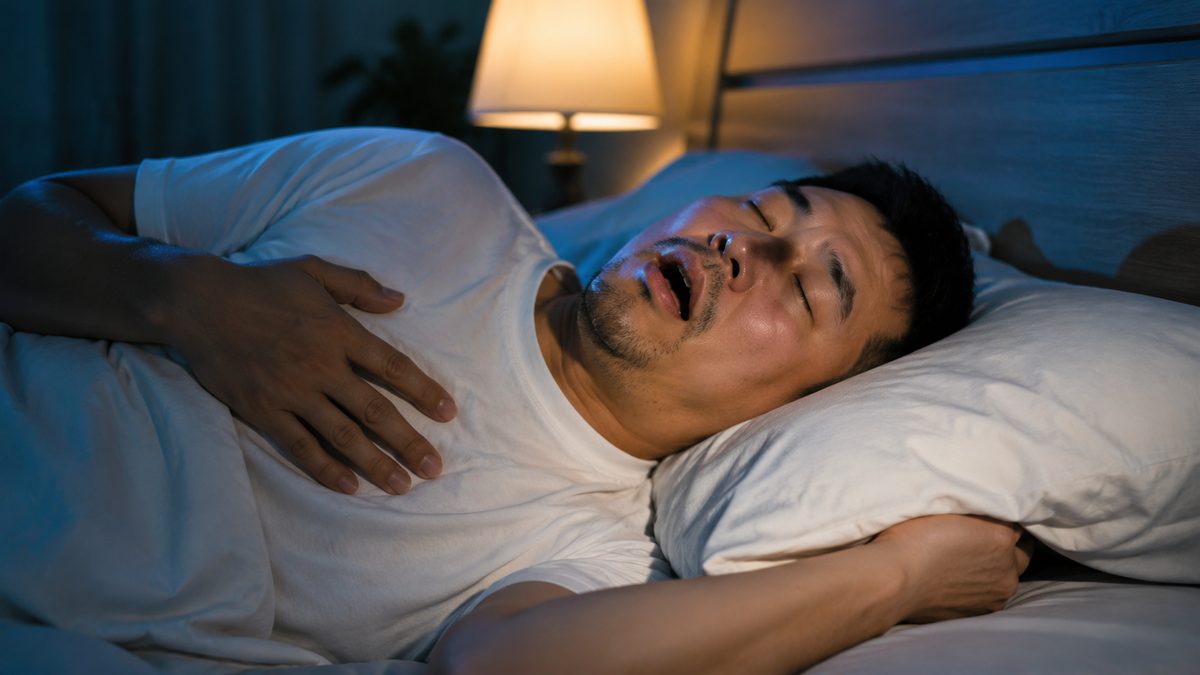
Sleep apnea affects your heart first and most severely. When your airway collapses during sleep, your lungs stop receiving oxygen. Your brain immediately enters a panic state and releases stress hormones like cortisol and adrenaline. These hormones force your blood vessels to tighten, making your heart pump harder against a restricted path. Over time, this constant pressure stretches your heart muscle and damages your cardiovascular system.
I saw this happen with my client Arthur. He had struggled with high blood pressure for five years. His doctors tried three different medications, but his numbers stayed high. When we looked at his sleep patterns, we found he stopped breathing forty times every hour. His heart worked double-time all night just to keep him alive. Once we addressed his nighttime breathing abnormalities, his blood pressure returned to normal without extra medication.
What does sleep apnea do to organs?
Sleep apnea deprives your organs of oxygen and subjects them to extreme physical pressure. Every time your breathing stops, your blood oxygen level drops. This drop triggers systemic inflammation that damages tissues throughout your body. Understanding the first stage of sleep apnea helps you recognize early warning signs.
The Heart
Your heart undergoes physical distortion during sleep apnea episodes. When your throat closes, your chest walls still expand to take a breath. This action creates a strong vacuum inside your chest. The vacuum pulls blood into your heart too quickly, causing the right chamber to swell. The wall dividing your heart chambers bends under this pressure, reducing the amount of blood your heart can pump to the rest of your body. The physical stretching of these muscles causes atrial fibrillation, a dangerous irregular heart rhythm.
The Brain
Your brain loses vital oxygen and suffers structural damage. During a breathing block, your brain must wake up just enough to signal your throat muscles to open. These micro-arousals disrupt your deep sleep cycles. Without deep sleep, your brain cannot clear out cellular waste. The lack of oxygen damages the hippocampus, which is the region responsible for memory and spatial navigation. This is why people with sleep apnea often wake up with morning headaches and struggle to concentrate during the day.
The Kidneys
Your kidneys lose blood flow during sleep apnea episodes. When oxygen levels drop, your body diverts blood away from your kidneys to protect your brain. The lack of oxygen damages the delicate filtering units in your kidneys. In response, your kidneys release a hormone called renin. Renin forces your blood vessels to constrict, raising your blood pressure to push more blood back to the kidneys. This cycle leads to chronic kidney disease.
The Liver
Your liver accumulates fat when you stop breathing at night. Oxygen deprivation forces your liver cells to change how they process fats. The liver begins to store fat instead of breaking it down, leading to non-alcoholic fatty liver disease. Over time, this fat accumulation causes inflammation and scarring of the liver tissue.
One of my clients, Sarah, complained of severe brain fog and constant fatigue. Her doctor discovered her liver enzymes were high, even though she did not drink alcohol. Her sleep study showed her oxygen levels dropped to eighty percent at night. Her liver was struggling because of the lack of oxygen during sleep. After we improved her breathing, her liver enzymes returned to normal range.
What diseases can sleep apnea lead to?
Sleep apnea leads to type 2 diabetes and stroke. The repeated oxygen drops and physical stress responses disrupt your entire endocrine system.
Type 2 Diabetes
The stress hormones released during sleep apnea block insulin from doing its job. Adrenaline and cortisol tell your liver to release stored glucose into your blood. At the same time, your cells resist insulin because of the high inflammation levels in your body. Your pancreas tries to keep up by producing more insulin, but the cells eventually wear out. This insulin resistance raises your blood sugar levels and leads directly to type 2 diabetes.
Stroke
The rapid changes in blood pressure during the night damage the arteries leading to your brain. High pressure tears the inner lining of these vessels, allowing plaque to build up. If a plaque ruptures, it blocks blood flow to your brain, causing an ischemic stroke. The sudden drops in oxygen also make your blood thicker and more likely to clot, which increases your stroke risk.
Pulmonary Hypertension
Your lung vessels constrict when they lack oxygen. This constriction forces the right side of your heart to pump much harder to get blood through your lungs. The muscle wall of the right ventricle thickens and weakens under this strain. Eventually, the heart can no longer pump enough blood, leading to right-sided heart failure.
What is the new pill for sleep apnea?
The new pill for sleep apnea is a combination drug currently known as AD109. It combines two existing medications: atomoxetine and oxybutynin.
This pill targets the neurological system rather than the physical airway directly. Atomoxetine is a drug normally used to treat ADHD. It increases norepinephrine in the brain, which helps keep the airway muscles active. Oxybutynin is a drug used to treat overactive bladders. It blocks certain receptors to prevent the tongue from relaxing and falling backward into the throat.
Clinical trials show this combination reduces the number of breathing stops by half for many patients. However, the pill has side effects. Patients report dry mouth, difficulty urinating, and increased heart rate. The pill does not cure the root cause of the breathing abnormality. It only forces the nervous system to keep the throat muscles tense during sleep.
What do Japanese use to reduce sleep apnea?
The Japanese use side-sleeping pillows and myofunctional tongue exercises to reduce sleep apnea symptoms.
Side sleeping is highly encouraged in Japanese sleep medicine. Traditional and modern Japanese manufacturers design ergonomic body pillows that make it comfortable to sleep on your side. Sleeping on your side prevents gravity from pulling your tongue and soft palate to the back of your throat, which keeps the airway open.
They also practice myofunctional therapy. These are daily exercises designed to strengthen the tongue and throat muscles. One common Japanese technique involves pressing the tongue flat against the roof of the mouth and holding it there for ten seconds. Another exercise requires making loud vowel sounds repeatedly to tone the soft palate. These exercises prevent the airway muscles from collapsing during sleep.
Japanese practitioners also use Kampo, which is traditional herbal medicine. They use specific herbal blends to reduce inflammation in the nasal passages, allowing patients to breathe through their nose instead of their mouth.
How can natural care improve sleep apnea?
Natural care improves sleep apnea by reducing chronic inflammation in your airways and restoring normal breathing patterns. homeopathic approach to these breathing abnormalities.
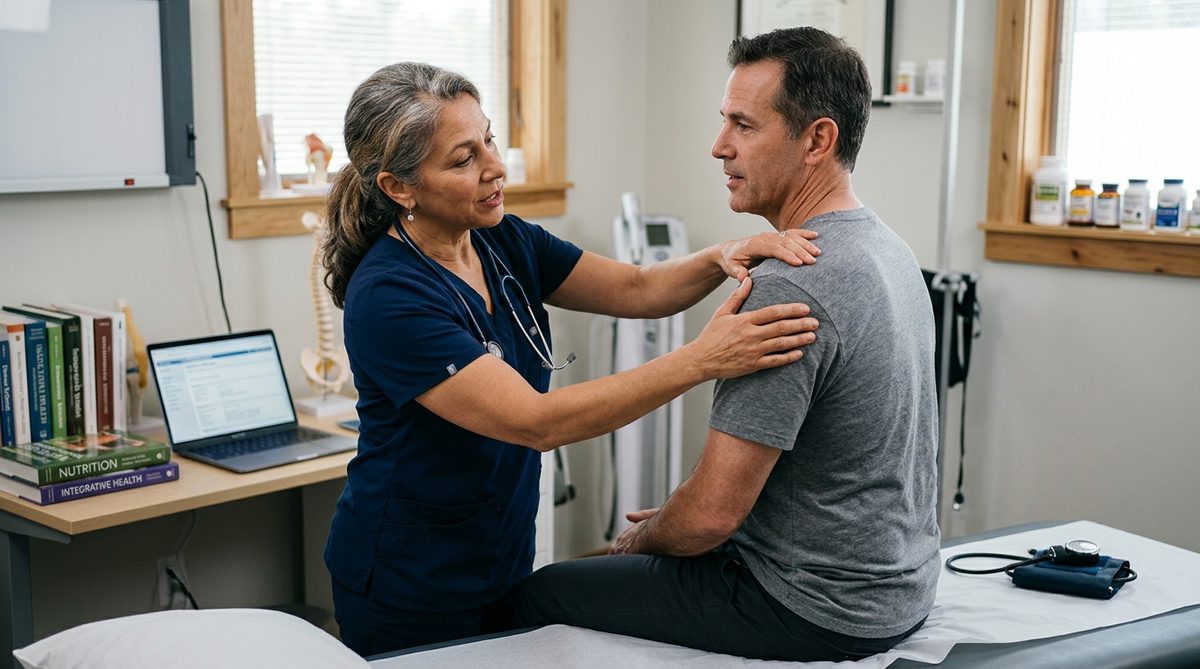
When I work with clients, I look at the physical blockages in their respiratory system. Many people breathe through their mouth because their nasal passages are swollen. This mouth breathing makes the airway much more likely to collapse. We use specific homeopathic remedies to reduce the swelling in the nasal membranes, allowing for quiet nasal breathing.
I remember a client named Robert who could not tolerate his CPAP machine. The mask made him feel trapped, and he woke up pulling it off. We analyzed his symptoms and found he had chronic sinus inflammation. We used targeted remedies to reduce the swelling in his sinuses. Within three weeks, he was breathing through his nose at night, and his wife reported that his snoring had stopped.
to homeopathy, you can use physical training for your upper airway. Singing loudly for ten minutes each day strengthens the muscles of your throat. Playing a wind instrument also tones the soft tissues in your mouth, preventing them from blocking your windpipe when you relax at night.
Frequently Asked Questions
Can sleep apnea go away on its own?
No. Sleep apnea does not disappear without active changes. You must reduce tissue inflammation, strengthen your throat muscles, or clear nasal blockages to resolve the condition.
How do you know if sleep apnea is damaging your heart?
You may experience waking chest pain, morning headaches, or extreme fatigue during the day. A cardiologist can run tests to see if your heart chambers are stretched or if you have an irregular rhythm.
Does sleep apnea affect your liver?
Yes. The drops in oxygen levels cause your liver to store excess fat. This fat storage leads to non-alcoholic fatty liver disease and can cause permanent liver damage.
Is there a natural cure for sleep apnea?
You can manage and reduce sleep apnea by sleeping on your side, performing daily throat exercises, and using homeopathic remedies to clear your nasal airways.
Action Points
To protect your organs from the damaging effects of sleep apnea, you must improve your breathing immediately.
- Use a body pillow to keep yourself sleeping on your side and prevent your airway from collapsing.
- Perform tongue and throat exercises for ten minutes every day to strengthen your airway muscles.
- Consult a homeopathic practitioner to address nasal swelling and support your body's natural healing.


What Are 10 Signs That My Body Is Healthy?
Read article →
How to Tell if Your Body Is Unhealthy?
Read article →
What Are Signs of Poor Function Health?
Read article →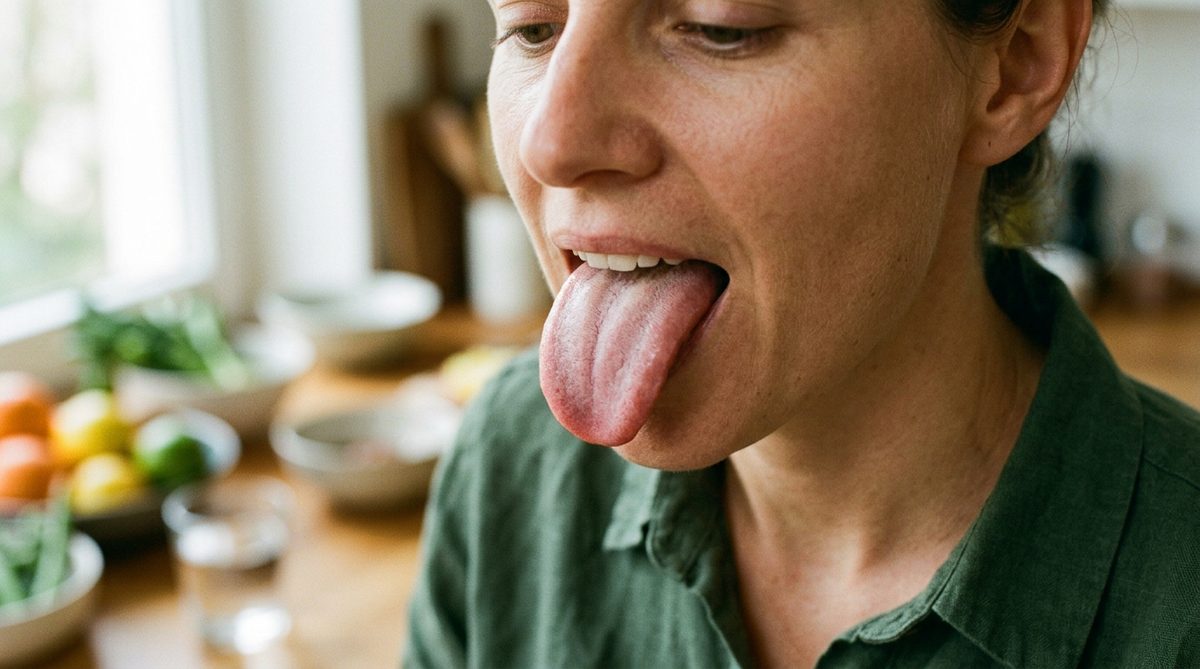
What Are Some Weird Signs That My Body Is Healthy?
Read article →
What Are Five Signs That I Might Not Be Healthy?
Read article →