What Organ Is Affected by Sleep Apnea? Heart, Brain, and More
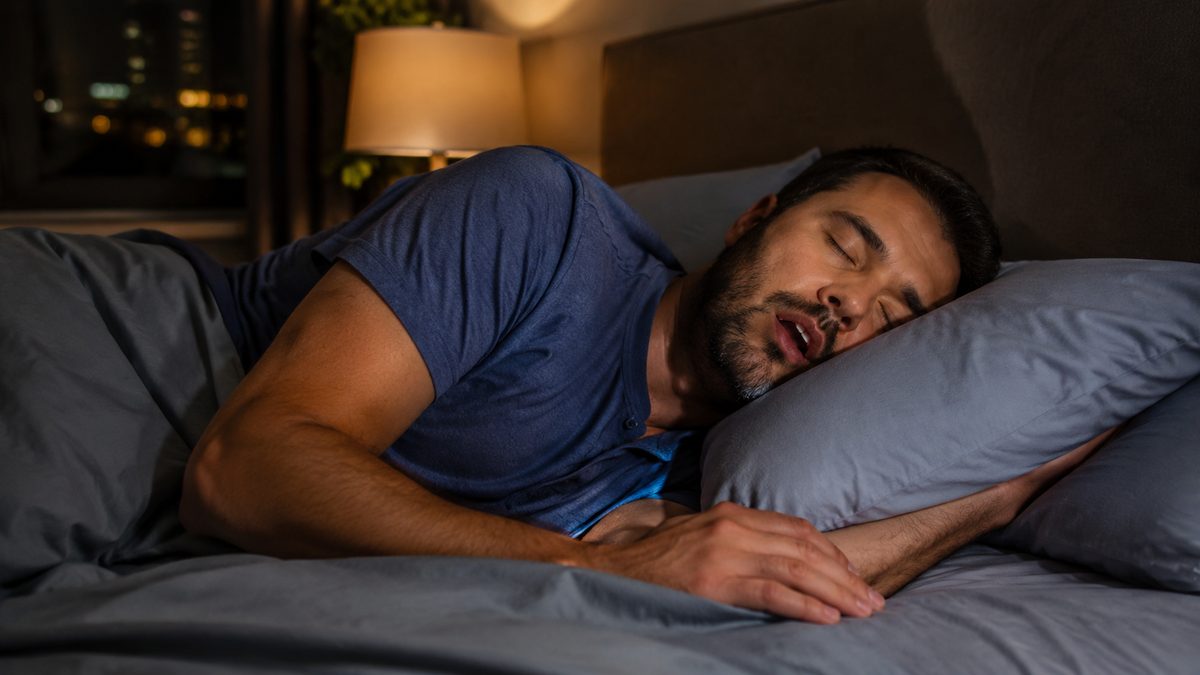
Sleep apnea hits three organ systems hardest: your heart and blood vessels, your brain, and your metabolic organs. The heart takes the most serious damage.
Untreated moderate-to-severe apnea, 15 or more breathing stops per hour, raises your risk of heart attack, stroke, and heart failure significantly. Your brain loses measurable function within four years if apnea goes untreated. Your blood sugar control and metabolism take a hit too.
Every night without treatment, the damage compounds.
Why Does Sleep Apnea Damage Organs?
When your airway collapses during sleep, your oxygen level drops. This happens dozens or even hundreds of times a night. Each drop is a small crisis your body has to fight through.
Your brain triggers a stress response, floods your system with adrenaline, and jolts you partially awake to restart breathing. That cycle, oxygen drop, stress surge, partial wake-up, repeat, is the engine behind the organ damage.
It drives inflammation, strains blood vessels, disrupts hormone balance, and starves your brain of the oxygen it needs to repair itself overnight.
This is intermittent hypoxia. Not a single dramatic event. Slow, repetitive, and cumulative. Most people have no idea it's happening.
What Does Sleep Apnea Do to the Heart?
The cardiovascular system carries the most documented burden from sleep apnea. Large observational studies link obstructive sleep apnea directly to high blood pressure, stroke, heart attack, heart failure, irregular heartbeats, and sudden cardiac death.
Here's the mechanism. Every time your oxygen drops, your body releases stress hormones. Those hormones raise your heart rate and blood pressure, even while you're supposed to be resting. Over months and years, this wears down the inner lining of your blood vessels, called the endothelium.
When that lining is damaged, plaques form faster, arteries narrow, and your heart has to work harder to push blood through.
I remember one of my clients who came in exhausted and frustrated. He'd been told his blood pressure was high despite eating well and exercising. What nobody had checked was his sleep. He stopped breathing over 40 times an hour at night. His cardiovascular system was under siege every single night, and his daytime health reflected that.
One large review estimated that sleep apnea affects close to one billion people globally and confirmed it as an independent cardiovascular risk factor, meaning it raises your heart risk even after accounting for obesity, smoking, and other factors. apnea-hypopnea index
What Does Sleep Apnea Do to the Brain?
Your brain needs oxygen to survive and repair. Chronic intermittent hypoxia triggers neuroinflammation, accumulates harmful molecules called mitochondrial reactive oxygen species in neurons, and activates the brain's immune cells in ways that cause neuronal damage.
A four-year study tracking over 1,100 people found that a higher apnea-hypopnea index, the count of breathing events per hour, was directly linked to reduced clearance of waste from the brain. This clearance system, called the glymphatic system, runs during deep sleep.
When your sleep is constantly interrupted, it can't do its job. Waste builds up. Cognition declines.
The blood-brain barrier is also affected. Intermittent hypoxia alters the regulation of proteins that control what passes in and out of the brain, disrupting the environment your neurons need to function and form memories.
What this means practically: people with untreated sleep apnea often notice memory gaps, difficulty concentrating, slower thinking, and mood changes. These aren't just tiredness. They're signs of measurable structural and functional brain changes.
When I worked with a client who was convinced she was developing early dementia, her cognitive testing was borderline. Her sleep study showed severe apnea. Six months into treatment, her memory and focus were noticeably sharper. This is just based on what happened to my client, but it tracks exactly with what the research predicts.
What Common Habit Is Linked to Sleep Apnea?
Sleeping on your back is the single most common habit that worsens sleep apnea. When you lie flat, gravity pulls the tongue and soft tissues of the throat backward, narrowing or blocking the airway more easily. Many people with mild or moderate apnea have significantly worse breathing events when they sleep on their back compared to sleeping on their side.
Alcohol before bed is the other major one. Alcohol relaxes the muscles in your throat, making airway collapse more likely and more prolonged. Even one or two drinks in the evening can meaningfully increase the number of apnea events in someone already prone to them.
Beyond those two, excess weight around the neck and jaw is the most well-documented structural risk factor. Fat deposits narrow the upper airway, reducing the space available for air to move through.
What Is the 4% Rule for Sleep Apnea?
The 4% rule refers to how apnea events are counted during a sleep study. An apnea-hypopnea event is recorded when oxygen saturation drops by 4% or more from baseline. This threshold is used to define what counts as a significant breathing disruption when calculating your apnea-hypopnea index (AHI).
Why it matters: the 4% threshold affects how severe your apnea looks on paper. Some sleep specialists argue this cutoff misses people whose oxygen drops only 3% but repeatedly, causing real physiological harm. Emerging research is moving toward measuring total hypoxic burden, the cumulative time spent below certain oxygen levels, rather than just counting events, because that gives a better picture of how much damage is actually occurring.
So if you've had a sleep study and your AHI came back borderline, it's worth asking about your oxygen desaturation index and how much time you spent below 90% oxygen saturation. Those numbers can tell a different story.
What Diseases Can Sleep Apnea Lead To?
Untreated sleep apnea is linked to a wide range of serious conditions beyond the immediate symptoms:
- Hypertension, consistently elevated blood pressure, often resistant to medication
- Stroke, both from blood clots and from blood vessel damage caused by chronic hypoxia
- Heart failure, the sustained workload on the heart weakens it over time
- Atrial fibrillation, irregular heart rhythm linked to the repeated autonomic stress of apnea events
- Type 2 diabetes, sleep apnea disrupts insulin sensitivity and glucose metabolism
- Cognitive decline and dementia, impaired glymphatic clearance and neuroinflammation accelerate brain aging
- Depression and anxiety, driven by sleep disruption, hormonal dysregulation, and neurological changes
- Sudden cardiac death, risk is highest during sleep, particularly in the early morning hours
The disease burden compounds when multiple systems are affected simultaneously, which is the norm rather than the exception in people with moderate-to-severe apnea.
Does CPAP Reverse the Organ Damage?
CPAP, continuous positive airway pressure, is the standard first-line treatment. It works by delivering pressurized air through a mask to keep your airway open during sleep. It reliably stops the breathing events and restores normal oxygen levels.
For symptoms like daytime sleepiness, concentration, and energy, CPAP often produces clear improvements within weeks. The picture for organ-level damage is more complicated. Clinical trials have shown mixed results on cardiovascular outcomes. The most likely reasons: many people only use their CPAP for a few hours a night, and some forms of OSA carry higher hypoxic burden than others, making them harder to reverse.
The consistent finding from research is that you need to use CPAP for at least four to six hours every night, over months, to see meaningful cardiovascular and metabolic benefits. Wearing it for two hours and taking it off doesn't deliver enough protected sleep to shift the underlying biology.
In my experience, the people who get the most out of CPAP are those who work through the initial discomfort of the mask rather than abandoning it after a few nights. The adjustment period is real, but the alternative is continued organ damage.
Three Things Most Articles Get Wrong About Sleep Apnea
First: it's not just a snoring problem. Snoring is a symptom. The organ damage comes from the oxygen drops, not the sound. Plenty of people with severe apnea don't snore loudly. Plenty of loud snorers have no apnea. Snoring alone isn't a reliable indicator of severity.
Second: thin people get sleep apnea too. Weight is a major risk factor, but craniofacial structure, the shape of your jaw, airway, and soft palate, is equally important. I know this because I've seen clients with healthy weight and no obvious risk factors come back with AHI scores above 30. Anatomy doesn't care about your BMI.
Third: CPAP isn't the only option. For people with positional apnea, where events only happen on their back, positional therapy alone can eliminate most events. Oral appliances that reposition the jaw are effective for mild-to-moderate apnea. Surgery has a role in select cases. And for people who can't tolerate CPAP, these alternatives are worth exploring seriously, not as a last resort. Multiple sleep apnea treatment options are available beyond CPAP.
Frequently Asked Questions
Which organ is most affected by sleep apnea?
The heart. The cardiovascular system carries the most documented and most serious risk from untreated sleep apnea, including increased rates of hypertension, heart attack, stroke, and heart failure.
Can sleep apnea damage your kidneys?
Research suggests a link. Chronic hypoxia and high blood pressure, both driven by sleep apnea, are known stressors on kidney function. People with severe untreated apnea have higher rates of chronic kidney disease, though the direct causal pathway is still being studied.
Can sleep apnea cause permanent brain damage?
Long-term untreated apnea causes measurable changes in brain structure and function, including reduced glymphatic clearance and neuronal loss in certain regions. Whether these changes are fully reversible with treatment depends on how long the apnea went untreated and how severe it was. Early treatment gives the best chance of cognitive recovery.
How quickly does sleep apnea damage organs?
Cognitive decline is measurable within four years of untreated moderate-to-severe apnea. Cardiovascular changes can begin earlier; blood pressure elevation and endothelial dysfunction occur with ongoing intermittent hypoxia. There's no safe period of untreated apnea in people with significant oxygen drops.
Is sleep apnea dangerous if left untreated?
Yes. Untreated moderate-to-severe sleep apnea significantly raises your risk of heart attack, stroke, heart failure, type 2 diabetes, and cognitive decline. The risk scales with severity, more events per hour and deeper oxygen drops mean more damage over time.
Can lifestyle changes treat sleep apnea without CPAP?
For mild apnea, weight loss, positional changes, and reducing alcohol can bring AHI into a normal range. For moderate-to-severe apnea, lifestyle changes alone rarely eliminate the problem, though they improve treatment response. CPAP, an oral appliance, or surgical intervention is typically needed.
What to Do Now
If you're waking up tired despite a full night in bed, snoring, or being told you stop breathing during sleep, get a sleep study. Home sleep tests are now widely available and accurate for diagnosing obstructive sleep apnea. The test isn't the hard part. The hard part is the months of treatment that follow.
If you already have a diagnosis, use your CPAP every night for the full sleep period. Ask your doctor about your oxygen desaturation index, not just your AHI. And if you can't tolerate your current treatment, ask about alternatives rather than stopping treatment altogether.
Your heart and brain are paying the price every night this goes unaddressed. The earlier you act, the more you protect.
Sources
Continue with the Sleep article archive collection.

What Are 10 Signs That My Body Is Healthy?
Read article →
How to Tell if Your Body Is Unhealthy?
Read article →
What Are Signs of Poor Function Health?
Read article →
What Are Some Weird Signs That My Body Is Healthy?
Read article →
What Are Five Signs That I Might Not Be Healthy?
Read article →