Which Medicines Are Not Allowed in Australia? What Travellers Need to Know
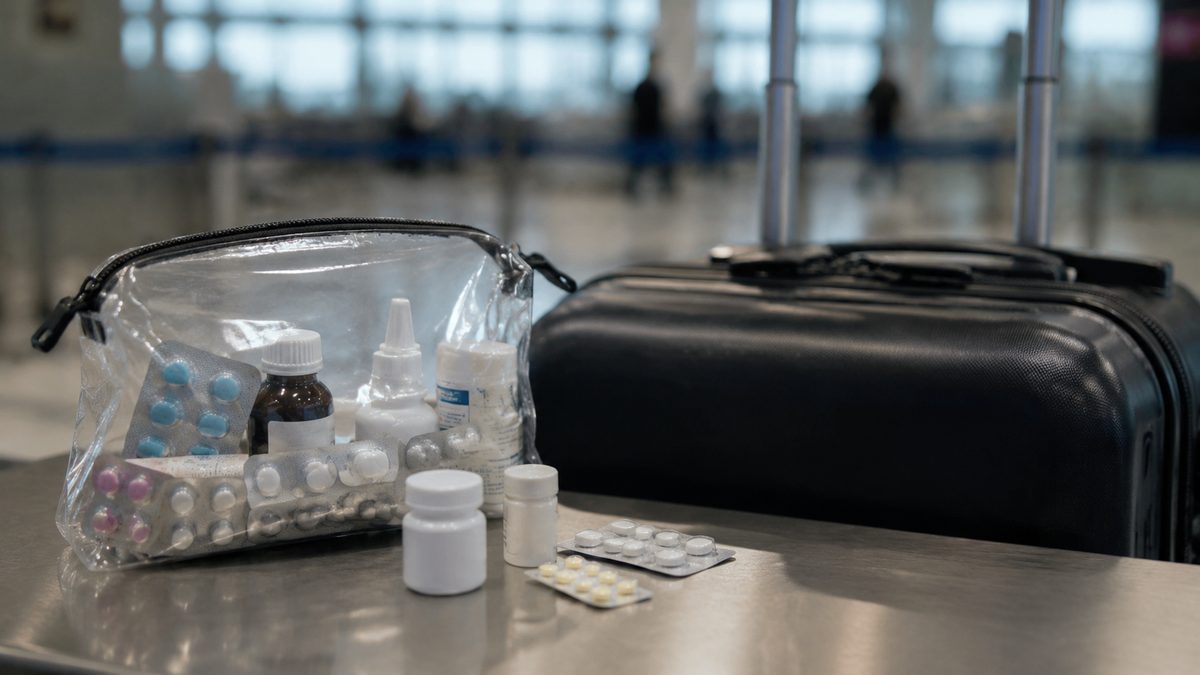
Australia has some of the strictest biosecurity and drug import laws in the world. What's sold over the counter in one country can land you in serious trouble at Australian customs. This isn't about bureaucracy for its own sake. It's about protecting public health and controlling substances that carry real risk of harm or misuse.
Here's what you need to know before you pack your medicine bag.
What Medicines Are Banned or Restricted When Entering Australia?
Australia divides medicines into three categories when it comes to importing them. Prohibited, controlled, and permitted with conditions.
Prohibited medicines cannot be brought in at all. These include:
- Anabolic steroids without a valid prescription and import permit
- Human growth hormone (HGH) without a permit
- Peptide hormones like EPO (erythropoietin)
- Some weight loss injections not approved by the Therapeutic Goods Administration (TGA)
- Certain traditional medicines containing endangered plant or animal species
Controlled medicines can be brought in but only under strict conditions. These include opioids, benzodiazepines, stimulants, and some sleep medications. You need documentation. Without it, customs can seize the medicine and you may face charges.
The TGA regulates what medicines can legally enter Australia. If a medicine isn't on the Australian Register of Therapeutic Goods (ARTG), it's not automatically allowed in, even if it's legal in your home country.
Can I Bring Prescription Medication Into Australia From Overseas?
Yes, but there are rules. The Australian Border Force allows travellers to bring a three-month supply of most prescription medicines for personal use. That's the general rule. But it only applies to medicines that are legal in Australia.
What you need to bring with you:
- A copy of your prescription or a letter from your doctor
- The medicine in its original packaging with the pharmacy label
- A DFAT (Department of Foreign Affairs and Trade) permit if your medicine contains a controlled substance
In my experience reviewing what travellers get caught out on, the biggest mistake is assuming that because a doctor prescribed it, it's fine to bring in. That's not how Australian law works. The medicine itself has to be legal here, and if it contains a controlled substance, you need a permit before you arrive, not after.
For controlled substances like opioids, benzodiazepines, or ADHD medications such as Adderall (which is not approved in Australia), you need to apply to the Office of Drug Control for an import permit. This takes time. Apply at least four weeks before travel.
Are There Common Painkillers Not Allowed in Australia?
This is where a lot of people get surprised. Some painkillers that are standard in the US, UK, or parts of Asia are either not approved in Australia or are classified as controlled substances here.
Codeine combinations are now prescription-only in Australia. Since 2018, products like Nurofen Plus and Panadeine that contain codeine moved from over-the-counter to prescription-only. If you bring in a large quantity of codeine-containing products from overseas, customs will flag it.
Tramadol is a Schedule 8 controlled drug in Australia. Bringing it in without a permit and prescription documentation is illegal.
Adderall (amphetamine salts) is not registered in Australia. It's used widely in the US for ADHD, but it's not an approved medicine here. Bringing it in requires a special access scheme approval and an import permit. Without both, it will be seized.
Tapentadol and oxycodone are Schedule 8 in Australia. They require an import permit from the Office of Drug Control.
What I found when looking at TGA guidance is that the threshold for what triggers a permit requirement is lower than most people expect. Even a standard 30-day supply of a Schedule 8 opioid needs documentation.
What Happens If You Bring Prohibited Medicines Into Australia?
Customs officers at Australian airports and ports have the authority to seize medicines that don't comply with import rules. What happens next depends on what was found and how much.
For small quantities of a controlled substance with no documentation, the most common outcome is confiscation. The medicine gets seized and you're let through with a warning or a formal caution.
For larger quantities, or for substances that are outright prohibited, the consequences are serious. Under the Customs Act 1901 and the Criminal Code Act 1995, importing prohibited substances can result in:
- Fines up to $222,000 for individuals
- Criminal charges
- Imprisonment for serious offences
The Australian Border Force uses X-ray scanning, detector dogs, and random checks. Declaring a medicine doesn't automatically protect you if it's prohibited. But not declaring it and getting caught is always worse.
The rule is simple. Declare everything. Let customs make the call. Trying to hide it creates a much bigger problem.
Do Herbal or Traditional Medicines Have Restrictions in Australia?
Yes, and this catches a lot of travellers off guard, especially those coming from Asia, South America, or the Middle East where herbal and traditional medicines are part of everyday life.
Australia restricts or bans herbal medicines that:
- Contain ingredients from endangered species listed under CITES (Convention on International Trade in Endangered Species)
- Contain undisclosed pharmaceutical ingredients
- Are not listed on the ARTG
- Contain substances classified as controlled drugs
Traditional Chinese medicines containing bear bile, tiger bone, or rhinoceros horn are banned outright. Some Ayurvedic preparations have been found to contain heavy metals like lead, mercury, or arsenic at levels that exceed Australian safety standards. These get seized.
Kava is a specific case. Bringing kava into Australia for personal use is allowed up to 2kg per person. Beyond that, you need a permit. Commercial importation has its own set of rules.
What I saw when reviewing TGA enforcement data is that herbal medicine seizures are increasing. Customs is getting better at identifying products that look like supplements but contain undeclared pharmaceutical compounds. Some weight loss teas and sexual enhancement supplements from overseas have been found to contain sildenafil (the active ingredient in Viagra) or sibutramine, both of which are controlled in Australia.
The left-of-center point here is this. The line between a herbal medicine and a pharmaceutical is not always clear, and Australian regulators treat ambiguity as a reason to restrict, not permit. If a product makes a therapeutic claim and isn't on the ARTG, it's operating in a grey zone that customs will resolve in favour of seizure.
How Do I Check If a Medicine Is Allowed in Australia Before Travelling?
There are three tools you should use before you pack any medicine.
- The TGA's ARTG search at tga.gov.au lets you check if a specific medicine is registered in Australia. If it's not listed, it's not approved for general import.
- The Office of Drug Control at odc.gov.au handles import permits for controlled substances. Their website lists which substances require a permit and how to apply.
- The Australian Border Force traveller information page at abf.gov.au gives specific guidance on what to declare and what documentation to carry.
When I tried to look up a common US ADHD medication using the ARTG search, it returned no results. That's the signal. No result means no approval, and no approval means you need a special access pathway or you leave it at home.
For homeopathic and complementary medicines, the TGA has a separate listed medicines register. Products with an AUST L number are listed, meaning they've been assessed for safety but not necessarily efficacy. Products with an AUST R number are registered and have been assessed for both. If your complementary medicine has neither, it hasn't been assessed by Australian regulators at all.
What About Medicines You Buy Online and Ship to Australia?
Ordering medicines online from overseas and having them shipped to an Australian address carries the same legal requirements as bringing them in your luggage. The same rules apply. If the medicine contains a controlled substance, you need a permit. If it's not on the ARTG, it may be seized at the border.
Australia Post and international couriers are required to cooperate with customs inspections. Packages containing medicines are regularly screened. The TGA and ABF run joint operations targeting online medicine imports.
I found that the most common seized items in online imports are unapproved weight loss products, erectile dysfunction medicines, and anabolic steroids. These are often marketed as supplements but contain pharmaceutical-grade compounds.
FAQ
Can I bring melatonin into Australia?
Melatonin is a prescription-only medicine in Australia. You can bring a personal supply with a prescription, but it's not available over the counter here the way it is in the US or UK.
Is CBD oil allowed in Australia?
Low-dose CBD products (up to 150mg per day) became available over the counter in Australia in 2021. But CBD products from overseas are not automatically allowed in. They need to meet Australian standards and dosage limits. High-dose CBD is still prescription-only.
Can I bring Xanax into Australia?
Alprazolam (Xanax) is a Schedule 4 prescription medicine in Australia. You can bring it with a valid prescription and doctor's letter. For quantities beyond a three-month supply, or if it's a controlled substance in your country, check with the Office of Drug Control before travelling.
What about insulin and diabetes medicines?
Insulin and most diabetes medicines are allowed with a prescription and doctor's letter. Needles and syringes should also be declared and accompanied by documentation confirming medical need.
Are homeopathic medicines allowed in Australia?
Most homeopathic medicines are allowed if they're listed on the ARTG or are for personal use in small quantities. Products that make therapeutic claims and aren't registered may be questioned at customs. Homeopathic products from reputable Australian suppliers like Homeopathy Plus are produced and sold within Australian regulatory guidelines.
The Bottom Line on Which Medicines Are Not Allowed in Australia
Understanding which medicines are not allowed in Australia comes down to three things. Whether the medicine is registered with the TGA, whether it contains a controlled substance, and whether you have the right documentation.
Most travellers who get caught out aren't trying to do anything wrong. They just assumed that a legal prescription from their home country was enough. It's not. Australian law applies at the Australian border, and the TGA's approval list is the standard that matters.
Check the ARTG before you travel. Apply for permits early if you need them. Declare everything at customs. Those three steps cover most situations.
If you're looking for complementary and homeopathic medicines that operate within Australian regulatory standards, Homeopathy Plus provides products and information aligned with TGA guidelines for the Australian market.
Continue with the Conditions in the archive collection.

What Are 10 Signs That My Body Is Healthy?
Read article →
How to Tell if Your Body Is Unhealthy?
Read article →
What Are Signs of Poor Function Health?
Read article →
What Are Some Weird Signs That My Body Is Healthy?
Read article →
What Are Five Signs That I Might Not Be Healthy?
Read article →