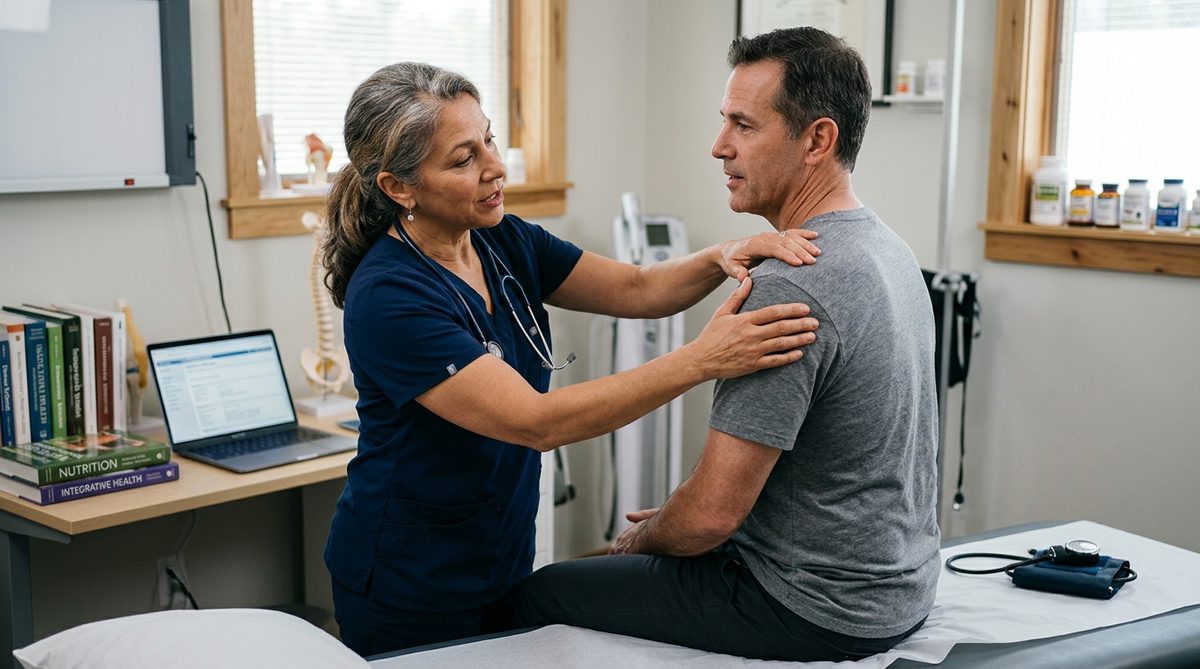
Will I Have Sleep Apnea for Life? What Actually Determines Your Outcome
Probably not, if you address what's causing it. Sleep apnea isn't automatically a life sentence. For many people, losing weight, fixing a structural airway problem, or treating an underlying health condition leads to partial or full remission.
CPAP manages symptoms well but doesn't cure anything. Stop using it and the apnea returns. Whether you'll have it forever comes down to one question: is your cause fixable?
What percent of people have sleep apnea?
More than most people realize. Estimates place obstructive sleep apnea (OSA) in roughly 10 to 30 percent of adults, with rates climbing as obesity becomes more common. Many cases go undiagnosed for years because the obvious symptoms, loud snoring and gasping, happen while you're asleep. Your partner notices. You don't.
In children, it's different. The most common cause is enlarged tonsils or adenoids, not weight. Many kids outgrow mild cases as their airways develop, though research shows that around 40 percent of children with mild sleep-disordered breathing still had positive symptom scores one to two years after initial diagnosis, even after some received surgical treatment.
What are the symptoms of sleep apnea?
The textbook list is loud snoring, waking up gasping or choking, morning headaches, a dry mouth on waking, and feeling exhausted no matter how long you sleep. But those are the obvious ones.
What I've seen more often is people convinced they just have insomnia or low energy or brain fog. They've been grinding their teeth. They wake to use the bathroom two or three times a night. They fall asleep within minutes of sitting still. One of my clients went three years thinking she had depression before a sleep study showed severe OSA. Her mood, memory, and motivation shifted noticeably within weeks of starting treatment.
The less obvious signs include:
- Waking with a sore throat that clears by mid-morning
- Difficulty concentrating or making decisions
- Mood changes, irritability, or low motivation
- High blood pressure that doesn't respond well to medication
- Frequent night waking for no clear reason
Central sleep apnea is different. Here the brain fails to send the right signals to the breathing muscles, often linked to heart failure, neurological conditions, or opioid use. The symptoms overlap with OSA but the mechanism, and therefore the treatment path, is distinct.
Can sleep apnea be reversed?
Yes, in many cases. The key word is cause. Fix the cause and you often fix the apnea.
Weight loss is the strongest lever for most adults. Excess weight, especially around the neck and upper airway, is the dominant driver of OSA in adults. Bariatric surgery leads to remission of OSA in a substantial proportion of patients with obesity-related apnea. This isn't just symptom improvement. It's the condition going away. Clients who lost significant weight through surgery or sustained dietary change often came back after their follow-up sleep study surprised that their numbers had dropped dramatically, sometimes into the normal range.
Structural fixes work when structure is the problem. A deviated septum, enlarged tonsils, or a recessed jaw can narrow the airway enough to cause apnea. Corrective surgery in these cases can resolve the condition outright, particularly in children where tonsil and adenoid removal is often curative.
Sleep position matters more than people admit. Positional OSA, where apneas mostly happen on your back, is genuinely common. Switching to side sleeping reduces severity significantly for some people. It's not glamorous advice but I know this because a client of mine went from an AHI of 22 to 6 purely through positional therapy confirmed on repeat testing.
Treating the underlying cause works for central sleep apnea. If the apnea stems from heart failure, optimizing cardiac function often reduces or eliminates it. The same applies to cases driven by opioid use. Taper the medication and the central apneas frequently improve. That said, certain adaptive servo-ventilation devices used for complex sleep apnea have been associated with worse outcomes in specific heart failure populations, which is why this area needs careful medical oversight rather than a one-size-fits-all approach.
After any major intervention, the standard clinical practice is to recheck with a sleep study three to six months later to see whether therapy is still needed. Prognosis is closely tied to what other health conditions are present and how consistently treatment is followed.
What CPAP actually does, and what it doesn't
CPAP is effective. It holds the airway open, stops the apneas, and people who use it consistently have significantly lower cardiovascular event rates compared to untreated patients. Sleep quality improves. Daytime energy improves. The risk of associated problems like hypertension and stroke goes down.
But CPAP is management, not cure. It works while you use it. Stop using it and the apnea is exactly where you left it. Randomized controlled trials have not shown that CPAP prevents cardiovascular events in patients without excessive daytime sleepiness, which tells us something important: the machine keeps you safer while you wear the mask, but it doesn't rewire the underlying physiology.
I remember when one of my clients came in frustrated that after two years on CPAP she still felt dependent on it and hadn't lost any weight. She'd been told CPAP was the answer. It was an answer. Not the answer. Once we shifted focus toward addressing her weight and the metabolic factors underneath, her trajectory changed.
Can you live with obstructive sleep apnea untreated?
Technically yes. People do it every day, often without knowing they have it. But the cost accumulates.
Untreated OSA is associated with higher rates of hypertension, type 2 diabetes, atrial fibrillation, and stroke. Daytime sleepiness increases accident risk behind the wheel and on the job. Cognitive function degrades gradually in ways that are easy to blame on stress or aging. The condition doesn't kill you overnight, but it accelerates the deterioration of nearly every system in your body that depends on restorative sleep.
What's often missed is the burden on the person sleeping next to you. I've seen relationships strained, spouses sleeping in separate rooms for years, before the apnea diagnosis even came up. The relational and psychological cost of untreated sleep apnea rarely makes it into clinical discussions but it's very real.
The angle most articles miss: mild apnea deserves attention too
Most content focuses on moderate to severe OSA. Mild cases get dismissed. "Your numbers are low, come back if it gets worse" is advice I've heard clients report repeatedly.
This is worth pushing back on. Mild OSA still disrupts sleep architecture. It still fragments deep sleep. And research on pediatric mild sleep-disordered breathing shows it doesn't reliably resolve without intervention.
The other thing that gets missed is that sleep apnea can worsen significantly during certain life phases. Menopause is one. Hormonal changes during menopause reduce the upper airway muscle tone that helps keep the throat open, and many women develop OSA in their 50s having never had it before. Weight gain during that same period compounds the risk. Two things happening at once, and the connection often goes unrecognized.
What makes sleep apnea harder to reverse
Some factors work against full resolution:
- Anatomical narrowing from birth. If your jaw structure or airway geometry creates a tight space regardless of weight, lifestyle changes alone may not be enough.
- Significant obesity without treatment. Moderate weight loss helps but may not bring AHI into the normal range. Bariatric surgery consistently achieves deeper remission than dietary change alone.
- Central or complex sleep apnea. When the issue is neurological or cardiac rather than mechanical, the path to resolution runs through treating those conditions, which may be long-term or ongoing.
- Advanced age. Airway muscle tone decreases with age. Older adults can still improve, but the baseline shifts over time.
What about children? Do they grow out of it?
Many do, particularly when the cause is enlarged tonsils. Tonsil and adenoid removal resolves OSA in a high proportion of pediatric cases, and natural airway growth during development helps further. But the assumption that all children simply outgrow mild sleep-disordered breathing is not well supported. Around 40 percent of children still showed symptom burden one to two years after diagnosis, which means monitoring matters and improvement should be confirmed, not assumed.
When I think about what this looks like in practice, I think about the parents who come in describing a child who snores loudly, wets the bed past the usual age, has behavioral issues at school, and struggles to focus. These are recognized features of pediatric sleep-disordered breathing. The child isn't being difficult. They're exhausted and their brain is working against a background of fragmented sleep every single night.
Frequently asked questions
If I lose weight, will my sleep apnea go away?
Often significantly improved, sometimes fully resolved. Bariatric surgery produces the most consistent remission. Moderate weight loss through diet and exercise usually reduces severity but may not eliminate the condition entirely, especially if there are structural factors involved. A follow-up sleep study after weight loss gives you the actual answer for your situation.
Is sleep apnea genetic?
Partly. Airway anatomy, jaw structure, and some metabolic tendencies are heritable. But lifestyle factors like weight, alcohol use, and sleep position interact with that genetic baseline. Having a family history raises your risk but doesn't determine your outcome.
Can I stop CPAP once I feel better?
Not without checking first. Feeling better on CPAP means it's working, not that the underlying condition has resolved. If you've lost significant weight or had corrective surgery, get a sleep study to see if your AHI has dropped enough to stop treatment safely.
Does alcohol make sleep apnea worse?
Yes. Alcohol relaxes the muscles around the airway and suppresses the arousal response that wakes you when breathing stops. Even moderate drinking before bed worsens severity in people who already have OSA.
What's the difference between obstructive and central sleep apnea?
Obstructive sleep apnea is a physical blockage. The airway collapses or narrows during sleep. Central sleep apnea is a signaling failure. The brain doesn't send the right message to breathe. Treatment approaches differ significantly between the two.
Can homeopathy support sleep apnea management?
homeopathic treatment looks at the whole picture, including sleep quality, energy, stress load, and underlying health patterns that may be contributing to breathing disruption at night. It works alongside, not instead of, medical assessment and diagnosis.
What to do now
If you haven't had a sleep study, get one. You can't manage what you haven't measured, and many people are surprised by how significant their results are once they're tested.
If you already have a diagnosis, your next steps are:
- Identify your primary driver. Weight, anatomy, position, or an underlying health condition. Be specific.
- Address that driver directly, not just the symptoms. CPAP is a floor, not a ceiling.
- Retest after any major intervention. A sleep study three to six months after weight loss, surgery, or treatment of comorbidities tells you whether you've shifted the underlying condition.
Sleep apnea is not a diagnosis you simply accept and manage forever. For most people, understanding what's driving it opens up a real path toward reducing it or resolving it. That path starts with a clear picture of where you actually are.Sources
Continue with the Sleep article archive collection.

What Are 10 Signs That My Body Is Healthy?
Read article →
How to Tell if Your Body Is Unhealthy?
Read article →
What Are Signs of Poor Function Health?
Read article →
What Are Some Weird Signs That My Body Is Healthy?
Read article →
What Are Five Signs That I Might Not Be Healthy?
Read article →